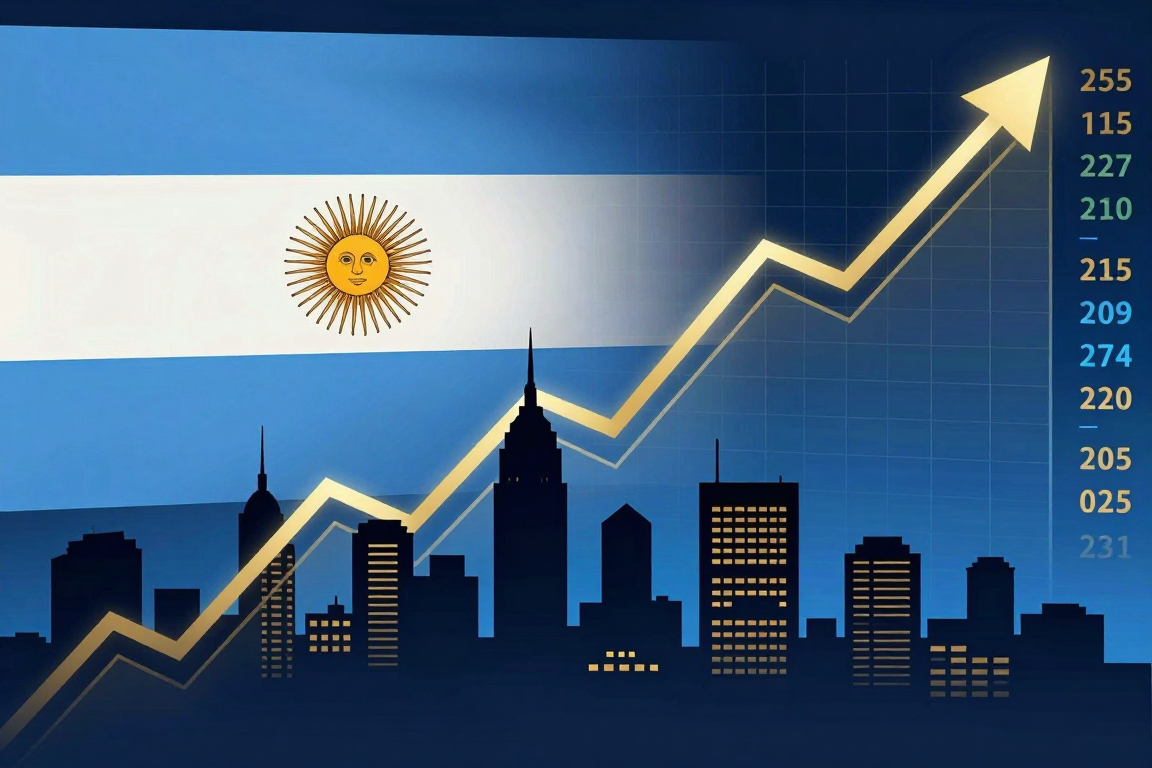
BUENOS AIRES, June 13, 2025 (Reuters) — Argentina's monthly inflation rate fell to 1.2% in June, the national statistics agency INDEC reported Thursday, the lowest since October 2015 and a milestone for President Javier Milei's stabilization program.
The figure, down from 1.8% in May and 25.5% in December 2023, brought annual inflation to 18.4%. Core inflation, which strips out regulated prices and seasonal items, registered 1.5%.
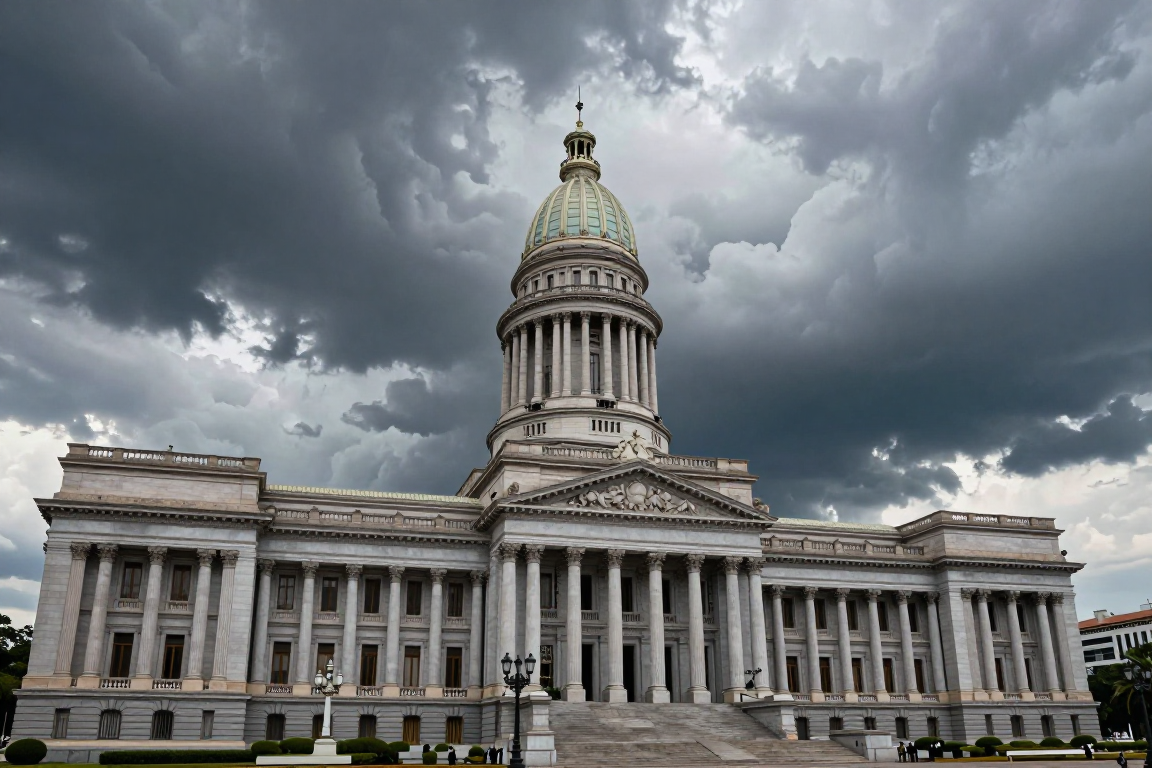
"We said we would kill inflation, and inflation is dying," Milei said in a televised address from the Casa Rosada. "Today, the data speaks louder than the critics."
The data triggered immediate speculation that the Central Bank of the Republic of Argentina (BCRA) would cut the benchmark LELIQ rate from 42% to 38% at its next monetary policy meeting. Such a move would mark the first rate reduction since the stabilization program began.
INDEC reported that private sector real wages rose 2.1% in the second quarter of 2025, the first time wages have outpaced inflation since 2022. The improvement was concentrated in skilled manufacturing, technology, and energy sectors.
However, the poverty rate stood at 52.1% in the first quarter of 2025, barely improved from the peak reached during the initial austerity shock. Social welfare organizations report sustained demand at soup kitchens across Greater Buenos Aires.
Economists caution that the inflation victory remains fragile as October's midterm elections approach. Argentine midterms historically trigger spending increases as the governing coalition seeks to cushion economic pain before voters head to the polls. Milei has maintained strict caps on pension adjustments and public works contracts, but provincial governors from his own coalition have begun pressing for infrastructure transfers.
For bond markets, the inflation print offered fresh justification for the rally that has driven Argentine sovereign debt up 34% since January. The country's country risk spread, as measured by the JPMorgan EMBI+ index, fell below 700 basis points for the first time since 2017.
The key risk, analysts said, is fiscal backsliding. If political pressure from October's midterm elections forces the government to resume central bank financing of the deficit — a practice that was routine under previous administrations and helped drive inflation to 211% — the monetary discipline of the past 18 months could unravel rapidly.
Sectoral data reveals uneven progress. Inflation in food and beverages, which disproportionately affects low-income households, fell to 1.8% in June from 3.2% in May. Housing and utility costs, which had risen sharply following the removal of subsidies, stabilized as the government reintroduced partial assistance programs for households earning below the poverty threshold.
The IMF, which oversees Argentina's $44 billion standby arrangement, welcomed the inflation data but reiterated its call for sustained fiscal consolidation. The fund's latest review, completed in May, found that Argentina was on track to meet its primary surplus target of 2% of GDP for 2025, though the path narrows in the second half of the year as political pressures intensify.