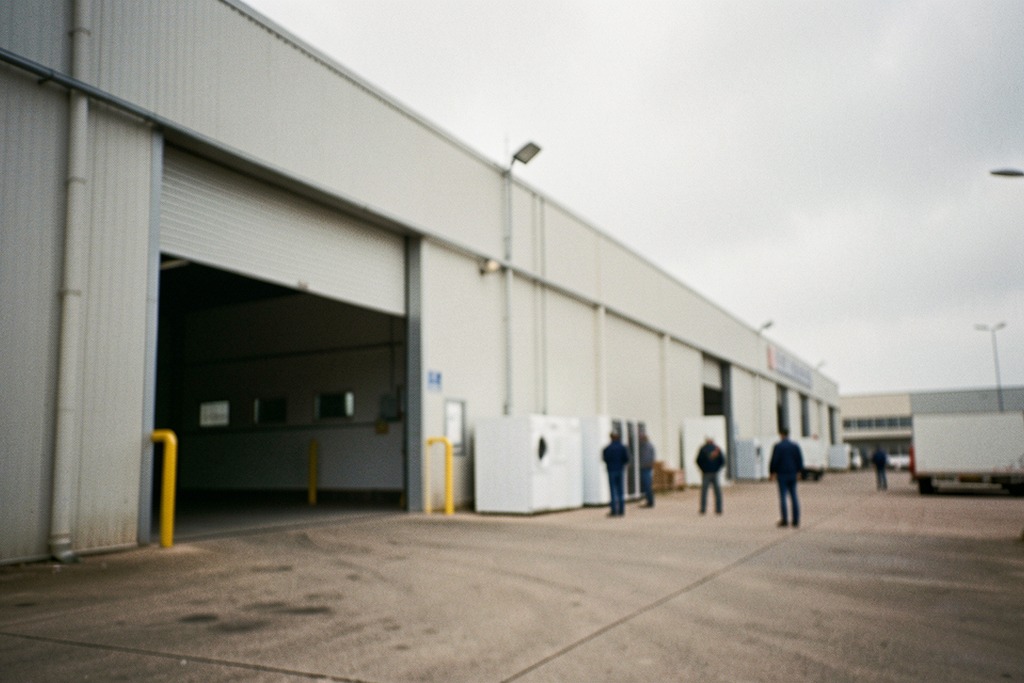
Electrolux told employees in Rosario on Friday, September 25, that it would close its local appliance factory and supply the Argentine market from plants abroad, according to Rosario Plus. The plant employed about 180 people. The Swedish group would continue to sell its Electrolux and Gafa brands in Argentina, but the planned end of local production raised immediate questions about employment and the future of manufacturing in Santa Fe province.
Rosario Plus reported that the announcement was made to workers at the city’s southwestern plant on Friday. Canal 26 reported on Saturday that production was due to cease from September 26. The announcement date, rather than the later shutdown date, is the event at the centre of this report. Both outlets said around 100 possible departures were under consideration; neither reported a confirmed final redundancy tally.
A commercial presence without a factory
The distinction between leaving manufacturing and leaving the country matters. Canal 26 said the company intended to maintain sales, official warranties, technical support and spare-parts provision, while drawing stock from its international production network. Refrigerators, freezers and washing machines had been among the Rosario plant’s product lines. The decision therefore changed where goods would be made, not whether the Electrolux and Gafa brands could be bought locally.
Rosario Plus attributed the company’s decision to a global-supply model aimed at improving efficiency and competitiveness as the appliance market changed. That is the company’s explanation of its strategy. It should not be read as a demonstrated measure of the effects of any one Argentine policy. Canal 26 said the plant had undergone a gradual reduction in activity, with suspensions and voluntary-departure arrangements in 2025 before the discontinuation of further lines in 2026. Rosario Plus said refrigerator production had already stopped and remaining work was concentrated in some freezer and washing-machine lines.
The company’s continued import and sales operation may preserve commercial jobs, but it cannot answer how many plant workers will remain employed. Canal 26 estimated that Electrolux employed about 300 people across Argentina, including some 180 at the Rosario site. It also said the company had promised to handle the transition in line with labour law and provide support to workers. The precise separation packages, other options for staff and eventual use of the factory site were not yet public.
Industrial policy meets the payroll
For Rosario, the immediate stakes were concrete: families dependent on factory wages and a facility that had made appliances for the domestic market would face a period of uncertainty. At the national level, a switch from domestic output to imported finished goods illustrates the competing claims surrounding Argentina’s industrial model. A more globally sourced business may see cost or reliability gains; workers and their representatives have reason to scrutinise what happens to local skills and employment. No official employment settlement or union agreement had been established in the reporting available at the time.
The reports did not establish that imports were already arriving in volumes sufficient to replace production, nor did they provide a calculation of the closure’s effects on national trade flows. Claims about economy-wide consequences would require data not contained in the company account or the local reporting. The verified development was narrower and consequential enough: Electrolux announced the end of production at its Rosario factory while saying its brands would stay in the Argentine market.
The next questions concerned the confirmed number of affected employees, any consultation or severance arrangements, and the timing of the transition from factory output to overseas supply. Until the company detailed those arrangements, the roughly 100 potential departures cited in press reports remained an estimate, not an established list of dismissals.