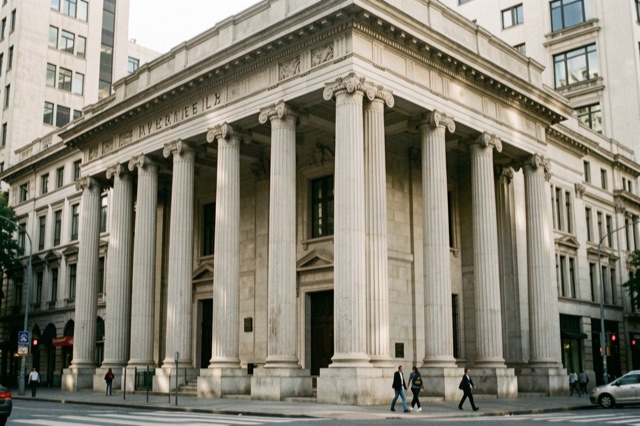
Argentina secured a US$20 billion agreement with the International Monetary Fund on April 11, a financing package at the centre of Javier Milei's attempt to leave behind years of currency restrictions. The 48-month Extended Fund Facility came with an initial US$12 billion disbursement and expectations of further financing subject to programme reviews. For a government trying to stabilise the peso while opening access to dollars, the upfront funds provided a formidable buffer. They were borrowed resources, however, not a permanent solution to Argentina's need to earn foreign currency.
Reuters reported that another US$2 billion was expected to become available by June, under the timetable announced at approval. That was an anticipated disbursement, not money already paid on April 11. The government simultaneously announced changes to the foreign-exchange regime, linking the IMF approval to one of the most consequential policy shifts of Milei's presidency. Reuters described the arrangement as the latest in Argentina's long and troubled series of IMF programmes.
The programme's fiscal and exchange-rate bargain
According to the IMF statement quoted by Reuters, the package relied on a strong fiscal anchor and a transition to a more flexible monetary and foreign-exchange system. The lender said it hoped the programme would encourage other official support and eventual renewed access to international capital markets. Argentina was not automatically granted that access by the board's decision. Investors would still assess whether public finances, inflation and reserves could stay on track once controls were loosened.
Milei's administration said the financing would help rebuild central-bank reserves and give the new currency framework credibility. Reuters reported that net foreign-currency reserves had been deeply depleted and that the IMF staff report warned of elevated downside risks, including global trade tensions, domestic election volatility and fragile social conditions. These concerns cut to the heart of the package: a large loan can support an adjustment, but the adjustment itself may generate a market or political response that makes programme targets harder to meet.
The distinction between gross official financing and freely usable reserves is important. A disbursement can strengthen a central bank's position immediately while increasing future repayment obligations. It can reassure people who want to buy dollars without proving that exports, investment and private inflows will be sufficient later. Argentina's recurrent IMF negotiations show why traders and households examine the medium-term path, not only the first tranche.
What the agreement could, and could not, settle
The government cast the package as confirmation of its fiscal turn. For supporters, the IMF's backing helped make possible the removal of exchange controls that had restricted business activity and deterred investment. For critics, adding another large multilateral commitment meant accepting continuing policy tests while households were still dealing with austerity and high prices. Reuters's account of the IMF staff assessment makes clear that the lender itself saw significant risks rather than a guaranteed recovery.
Other multilateral institutions announced programmes of support, but those commitments should not be confused with the IMF's initial disbursement or added to it as cash already received. The immediate question was how the peso and inflation would react when the currency rules changed. Over the following months, reserves and scheduled IMF reviews would matter as much as the headline US$20 billion figure. April's approval bought Milei room to act. It did not remove the need for Argentina to demonstrate that its new exchange-rate system could hold without repeated emergency financing.