Argentina's consumer prices rose 1.5 percent in May from April, INDEC figures released on June 12 showed, the lowest monthly rate since the pandemic period in 2020. The year-on-year rise was still 43.5 percent, a reminder that slower inflation means prices are increasing less quickly, not that the cost of living has returned to earlier levels. For Javier Milei, the release was evidence that disinflation had survived the first weeks after his government eased currency controls. For households, the challenge remained making wages and fixed incomes cover prices already raised over preceding years.
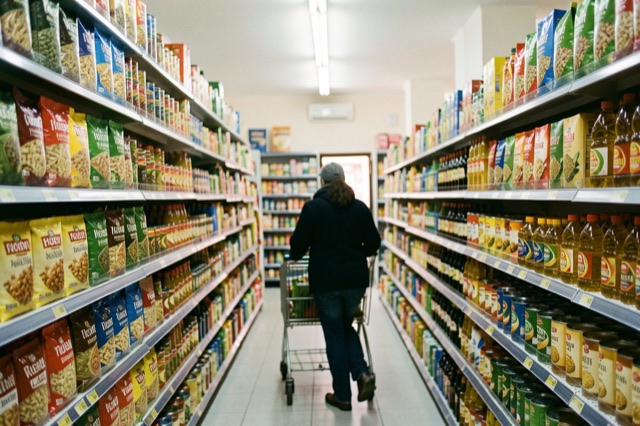
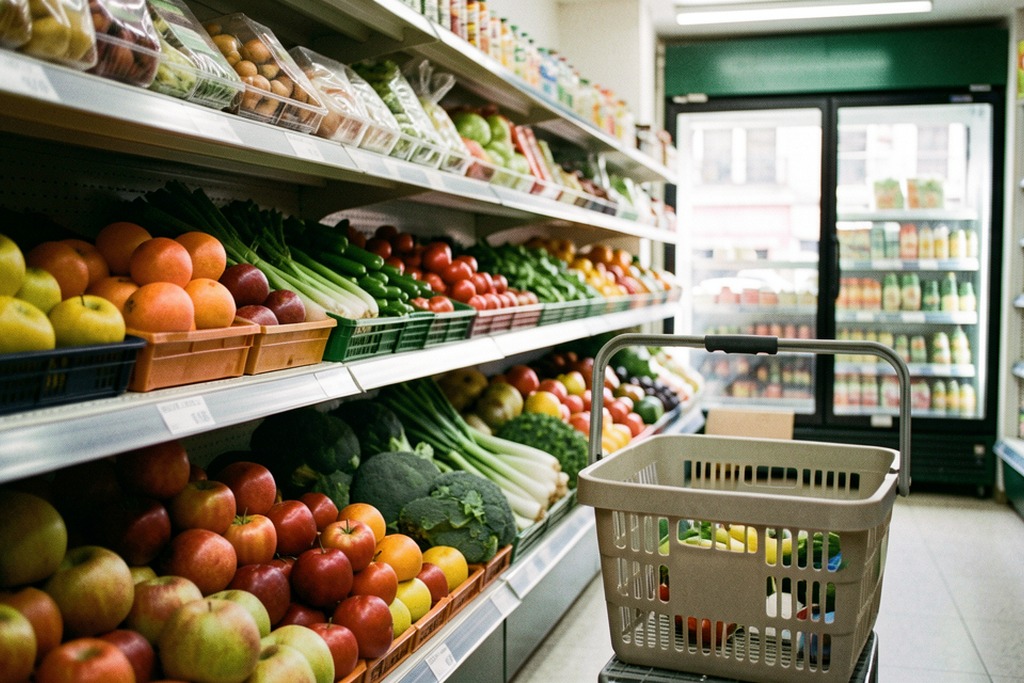
The Buenos Aires Times reported that food prices increased only 0.5 percent in May, helped by seasonal conditions. The 1.5 percent headline reading came in below the two percent median forecast of economists surveyed by Bloomberg, according to its account. A smaller food increase can strongly affect the overall index because groceries are a regular and substantial part of household spending. It also makes any conclusion about a permanent new inflation rate premature when seasonal produce prices can reverse.
A crucial test after the peso's reset
April had brought a US$20 billion IMF agreement and a wider peso trading band alongside the relaxation of major dollar restrictions. The peso initially weakened under the new rules, raising fears that imported costs would feed through to shop prices. May's reading did not show the immediate inflation rebound some had feared. It did not, by itself, settle whether the foreign-exchange system could maintain price stability in the face of future shifts in dollar demand or reserve pressure.
The Times reported that communication services, restaurants and health recorded some of the largest price increases in May, while food's moderate rise held down the average. Price movements thus differed across a family's budget. People who spend more on a category rising faster than the general index can continue to experience a more severe squeeze than the headline rate implies. The paper cited brokerage economist Santiago Resico, who attributed part of the unexpectedly low reading to seasonal disinflation rather than treating it all as a structural change.
The statistical distinction is politically consequential. A monthly rise of 1.5 percent was a major improvement on the high inflation that accompanied Milei's first months in office. Annual growth of 43.5 percent still eroded the value of cash and required businesses to make frequent pricing and wage decisions. The data could justify optimism about the direction of travel without supporting a claim that Argentina had already beaten inflation.
Election-year stakes and reserves
The government wanted disinflation to underpin confidence before the October national midterms. Investors also watched whether the central bank could build foreign-currency reserves after the new exchange regime. The Times reported measures to encourage foreign capital and a US$2 billion repurchase agreement with international banks around the time of the data release. Those financing steps underscored that bringing inflation down and maintaining adequate dollar buffers were linked tasks, not separate victories already secured.
The next monthly readings would be decisive because one low print can reflect temporary factors. Food could become more expensive again; wages, regulated services and the exchange rate could each affect later figures. For the administration, continued moderation would strengthen the argument that its fiscal and monetary programme was working. For critics, the relevant test remained not just the speed of new price increases but employment, incomes and affordability. May delivered a striking disinflation result while leaving those broader questions open.