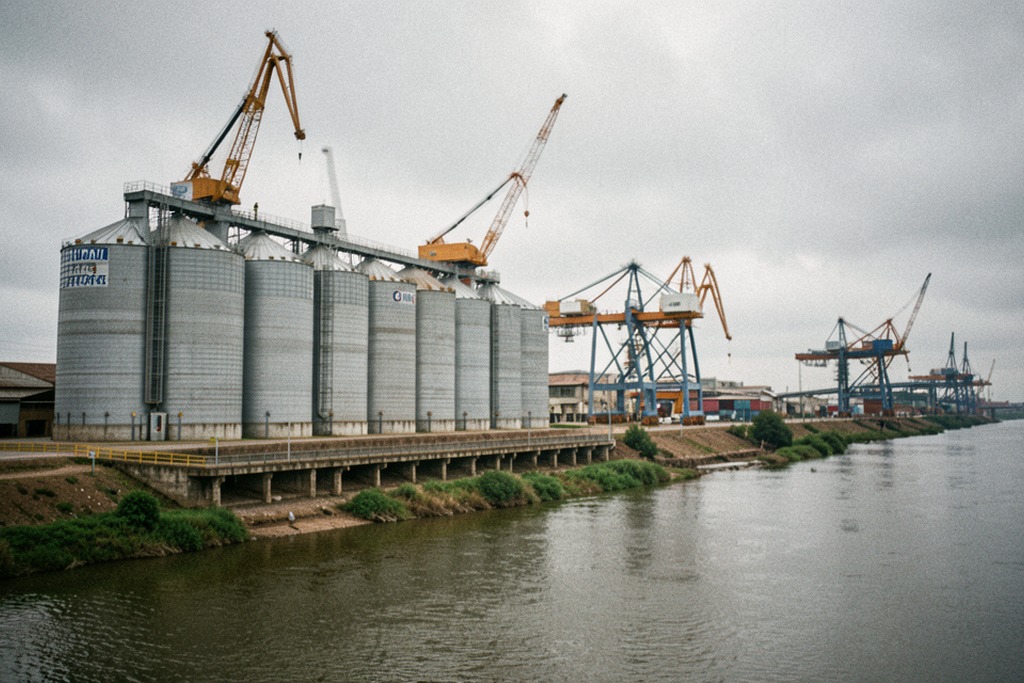
Argentina abruptly set grain export duties at zero on September 22, 2025, trying to accelerate the arrival of dollars during a period of strain on the peso. Presidential spokesman Manuel Adorni said the holiday would run until October 31; the Buenos Aires Herald reported that soy products were included and that the concession was also extended to beef and poultry. A ceiling on qualifying grain export registrations meant the advertised end date was not necessarily how long the benefit would last.
The move was a sharp change of pace after Milei's July promise of lower, supposedly lasting farm levies. In July, the government had set soybean duties at 26% and soybean by-product duties at 24.5%, according to the Herald's account of that announcement. The September holiday did not repeal the underlying rates. It temporarily removed them for qualifying transactions, raising the value to exporters of registering sales quickly.
Dollars now, taxes later
Export taxes are a revenue source, but a government under exchange-market pressure may place a higher immediate value on foreign currency. The Herald reported that Argentina's central bank had sold $1.1 billion over three days in the preceding week while defending the peso at the upper limit of its exchange-rate band. The administration said the tax suspension would increase the supply of dollars. Economists quoted in the reporting also questioned government decisions about when to acquire reserves, rather than treating the pressure solely as an opposition-driven market reaction.
For farm traders, the incentive was straightforward: selling or registering eligible exports during the holiday avoided a levy that could resume at any time. For the Treasury, the bargain was more complicated. Some sales might have been pulled forward from future months rather than newly created; the state could gain immediate dollars while giving up tax revenue it would otherwise have collected. A registration is also not identical to a ship leaving a port or hard currency arriving at the central bank. Those distinctions matter when assessing whether the measure repaired the balance of payments.
The scheduled October 31 endpoint fell after legislative midterm elections, as the Herald observed. Politics and exchange-market management therefore met in the same decision. The government blamed uncertainty on its opponents and recent legislative setbacks; its critics argued that the credibility of its own reserve strategy was in question. Neither argument changes the practical mechanics: a short window and a cap reward exporters that can move first.
The cap is reached
A follow-up Herald report said Argentina's tax agency ARCA announced on September 25 that registrations had reached the $7 billion ceiling set by Decree 682/2025. The benefit for grain sales therefore closed after about three days, although the spokesman said the beef and poultry concession would continue until October 31. The Herald quoted the Rosario Stock Exchange's estimate that agricultural export registrations on one Wednesday covered 11.47 million tonnes of grains, oilseeds and by-products worth $4.1 billion. Those values described declared business under the scheme, not independently verified new production.
The rapid exhaustion of the quota demonstrated how strongly a tax deadline can influence the timing of reported trade. It also made the policy less predictable for producers who were not first in line. The relevant longer-term question was whether the government could accumulate reserves once the holiday ended, not merely how quickly export declarations hit a ceiling.
What comes next
After the grain cap, ordinary export duties resumed on new registrations. Traders, farmers and policymakers then had to judge whether the advance in declarations brought lasting foreign exchange or only moved transactions from later dates. The September maneuver illustrated Milei's recurring dilemma: a low-tax vision for agriculture confronting an urgent need to defend the currency and finance the state.