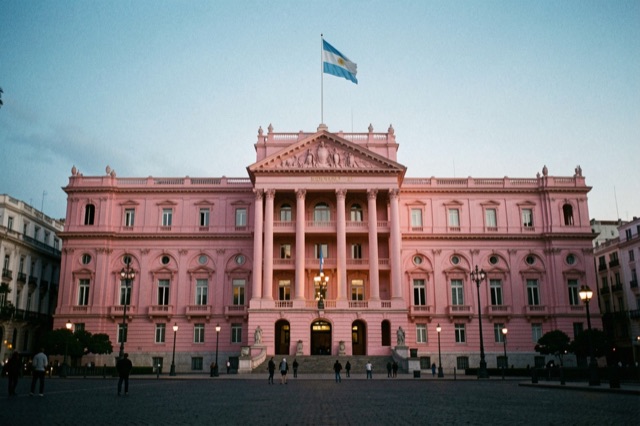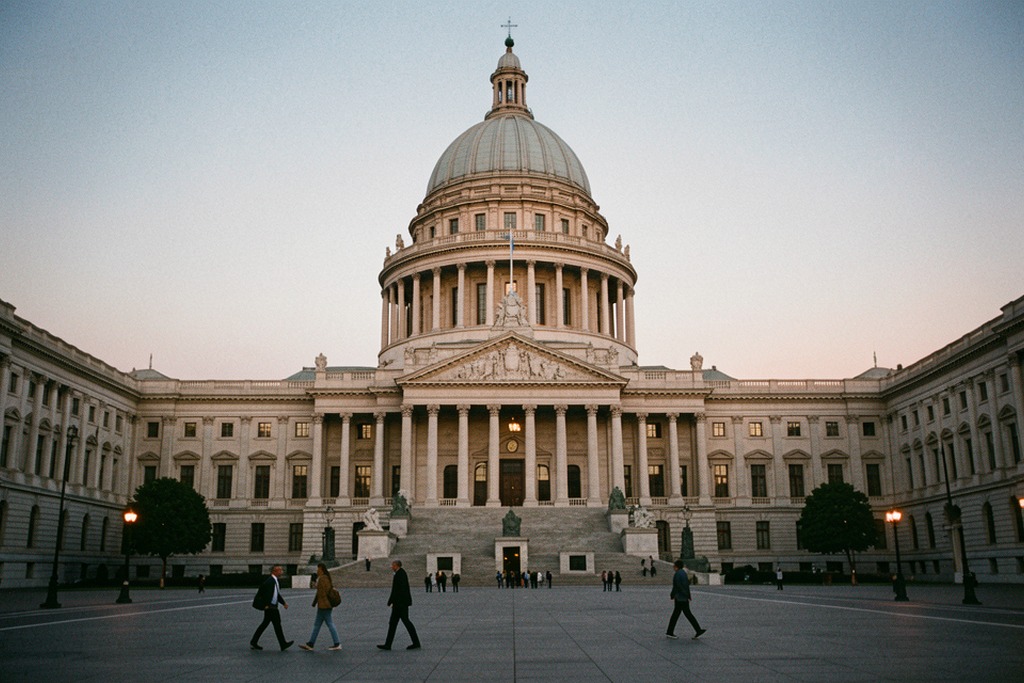
Argentina's lower house approved President Javier Milei's Ley Bases and accompanying fiscal package in the early hours of June 28, delivering the minority government its first major legislative victory. The result was not the sweeping mandate Milei sought when he took office: six months of negotiation had cut down his original proposal. But it provided a legal framework for reorganizing parts of the state, changing labor rules and offering incentives to large investors.
A bill reshaped in Congress
Deputies accepted the Senate's changes to the main reform bill by 147 votes to 107, with two abstentions, according to the Buenos Aires Herald's account of the session. The Senate had narrowed the list of companies eligible for privatization and protected some public institutions from restructuring. With both houses having approved the legislation, the deputies' final task was to decide whether to accept the upper house's changes, not to rewrite the bill afresh. That procedural constraint made compromises with provincial and centrist lawmakers essential.
The enacted bill gives the president delegated authority for one year in specified administrative, economic, financial and energy matters. It also changes labor law, including extending the probation period for new workers from three to six months. Milei described passage as a historic milestone, the Herald reported. His account of the achievement was political as well as economic: a president without a congressional majority had induced legislators outside his coalition to vote for reform.
Opponents saw a different precedent. Delegating executive powers and facilitating restructuring of state bodies raised questions about congressional oversight and the future of public services. The labor measures, critics argued, would make employment less secure. The fact that the Senate removed some provisions showed that even sympathetic legislators were not willing to sign a blank cheque. Passage settled the immediate vote, not the fights over how each power would be used.
Taxes and the investment wager
Deputies also approved a fiscal package containing a tax amnesty and changes to personal wealth and income taxes. The lower house restored an income-tax provision the Senate had struck out, by 136 votes to 116, and passed changes to the personal-assets tax by 134 to 118, the Herald reported. Restoring income tax on more salaries promised revenue for cash-strapped provinces; reducing the burden on owners of substantial assets drew criticism over who gained from the bargain. The two votes exposed how Milei's coalition depended on provincial interests even while cutting discretionary transfers to them.
The Ley Bases created the Large Investment Incentive Regime, or RIGI. It offers long-term tax, customs and foreign-exchange benefits to qualifying projects in sectors including energy and mining. Its supporters say predictable rules could overcome Argentina's record of abrupt policy changes and draw the capital needed for oil pipelines, mines and infrastructure. Critics interviewed by the Herald warned that generous exemptions might dilute the public return and give too little encouragement to local suppliers. An approved framework is not the same as a completed investment: applications, financing, provincial acceptance and construction still lay ahead.
Milei had proposed a political pact with provincial governors for May, but delayed the ceremony until after legislative approval. The passage of the two bills opened the way for that meeting in July. The next test for the administration was to turn the legal concessions into investment and lasting fiscal stability without making the costs of adjustment fall still more heavily on households and public services.