Guillermo Francos resigned as Argentina’s cabinet chief on October 31, 2025, and President Javier Milei chose presidential spokesman Manuel Adorni to replace him. Interior Minister Lisandro Catalán also stepped down. The reshuffle came only days after the government’s midterm electoral victory, underlining how winning seats did not remove the need to rebuild the channels through which Milei dealt with provincial leaders and Congress. The Buenos Aires Herald reported that the president’s communications team linked the move to the election result and to a new phase of structural reforms starting when the newly elected legislators took office in December.
Francos had been one of the most recognizable negotiators in a cabinet identified with confrontation over public spending. In his resignation letter, quoted by the Herald, he said his first and last acts as cabinet chief involved convening meetings between governors and the national government. The administration credited him with helping secure the Ley Bases reform package. Those achievements made his exit politically significant: the president was changing the person responsible for interministerial coordination just as an ambitious legislative program was coming into view. Francos had served as cabinet chief since May 2024, after initially serving as interior minister.
A communicator takes a coordinating job
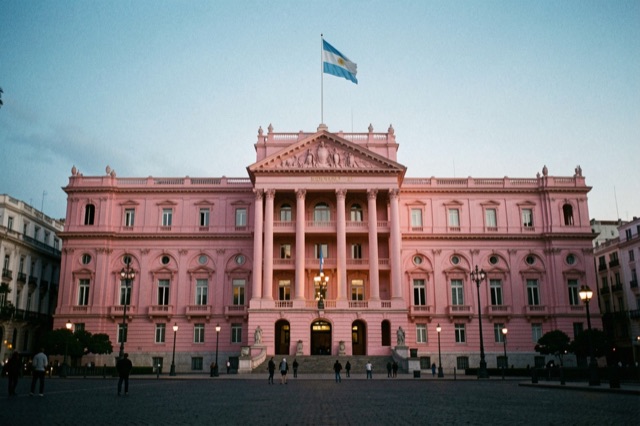
Adorni had been the public voice of Milei’s administration since the beginning of the presidency, speaking regularly from the Casa Rosada. The Herald reported that he would assume the new role on Monday and could continue acting as the president’s spokesman. Public communications and political negotiation demand different skills. His appointment suggested that Milei prized message discipline in the next stage, but it left unanswered how the cabinet chief’s office would manage difficult compromises over tax rules, provincial financing and social spending. Adorni thanked both the president and Karina Milei, the presidency secretary-general, in a statement reported by the Herald.
Catalán had occupied the interior ministry for less than two months. He was appointed after the government lost the September Buenos Aires provincial election, when calls for better relations with governors intensified. His quick departure exposed the difficulty of maintaining provincial dialogue while protecting a national fiscal surplus. For governors, cooperation over the budget could involve concrete commitments on transfers and public works; for Milei, concessions could not undermine the zero-deficit goal. Replacing the negotiator did not remove that conflict.
Another negotiator named
On November 2, Milei named Diego Santilli as the next interior minister, the Herald reported. Santilli had headed the libertarian list of national deputies in Buenos Aires province in the October election. Milei said Santilli would lead conversations with governors and lawmakers to obtain support for forthcoming reforms. His appointment connected the cabinet reshuffle directly to the work of turning an electoral victory into legislative majorities. It also showed that negotiations would be a cabinet-level task rather than left entirely to party leadership.
The leadership change followed an election that gave La Libertad Avanza enough lower-house seats, on the Herald’s preliminary projections, to block veto overrides. Passing bills was a higher hurdle. The government still lacked an outright majority in either chamber, and its first budget since coming to office had not yet won congressional approval. The incoming coalition would require partners from PRO, provincial blocs and elsewhere. Any deal would have to survive both chamber arithmetic and voters’ sensitivity to cuts.
Milei’s immediate opportunity was to use Santilli’s provincial connections and Adorni’s proximity to the presidency to prepare the December legislative session. The risk was that changes at the top could disrupt existing relationships just when quick agreements were needed. The reshuffle supplied new personnel, not the votes or fiscal room that meaningful reform required.