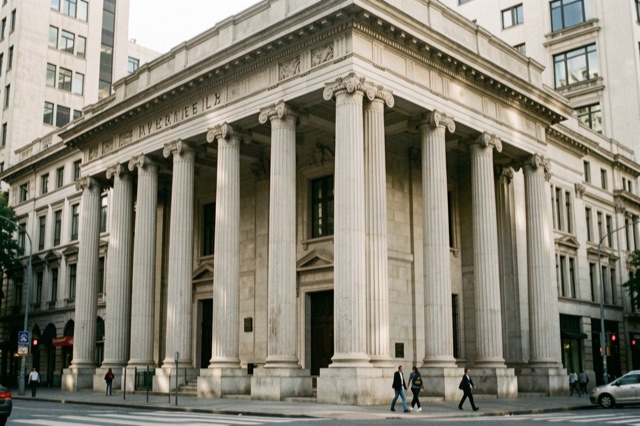
The International Monetary Fund's executive board completed the second review of Argentina's Extended Fund Facility on May 21, enabling an immediate disbursement of about $1 billion. The decision offered President Javier Milei's government a further measure of international financial support, but it came with a conspicuous qualification: Argentina had missed its end-December target for accumulating net international reserves. The Fund's assessment was therefore an endorsement of continued adjustment and reforms, not a declaration that the country's external financing problem was solved.
Approval despite the reserve miss
The IMF said its board also concluded Argentina's 2026 Article IV consultation, its regular assessment of a member country's economy. The review covered a 48-month financing arrangement approved in April 2025. The $1 billion unlocked on May 21 brought disbursements under the program to about $15.8 billion, according to the Fund. Most of the program's main performance criteria and indicative targets had been met, it said, but the quantitative net international reserves objective for the end of December had not. Corrective steps had been put in place to bring reserves closer to the agreed path.
Gross dollar purchases, headline reserve stocks and the Fund's net international reserves measure should not be conflated. The central bank's purchases in the foreign-exchange market could help strengthen external buffers, while obligations and balance-sheet items still affected the net measure used by the IMF. That distinction explained how the Fund could recognize a build-up in buffers after policy adjustments while still recording a missed previous target. The review also praised legislation in fiscal, trade and labor areas and refinements to monetary and foreign-exchange policy, while acknowledging that reform progress did not eliminate financial vulnerabilities.
The Fund's prescription
IMF managing director Kristalina Georgieva said Argentina should maintain an overall cash fiscal balance, including through further energy-subsidy reductions, better-targeted social transfers and restraint in discretionary spending. The Fund also called for reforms to tax and pension systems over time and for space to be preserved for priority social spending. Those were IMF policy recommendations, not evidence that every suggested change had already been enacted in May. For provinces and recipients of public transfers, fiscal restraint and the design of social protection remained consequential choices.
On the external side, the IMF urged sustained foreign-exchange purchases combined with exchange-rate flexibility. It emphasized a financing strategy aimed at obtaining durable access to international markets, refinancing substantial near-term public-sector foreign-currency obligations and eventually reducing dependence on Fund resources. The call to restore market access was revealing: an IMF disbursement eased immediate financing pressure but could not replace the ability to raise funds on sustainable terms. Directors also urged stronger central-bank transparency and attention to volatility in interest rates and financial risks.
The unresolved financing question
The IMF saw progress toward a more competitive economy and cited planned investment in agriculture, energy, mining and other sectors. Planned investment is not equivalent to money already spent or exports already earned. In its own assessment the Fund said risks remained elevated and pressed for contingency planning and protection of vulnerable people facing adjustment costs. The next test for the government was not simply to obtain another favorable board vote. It was to turn reserve purchases into durable external buffers, keep inflation falling and finance its obligations without repeatedly relying on exceptional support. The May 21 review bought time and affirmed policy direction, while making the remaining constraints unusually clear.