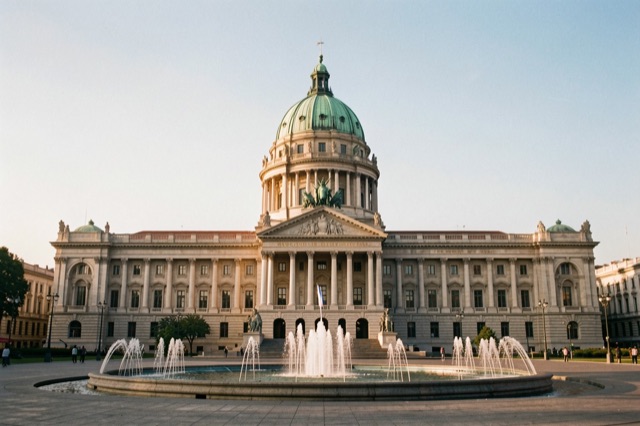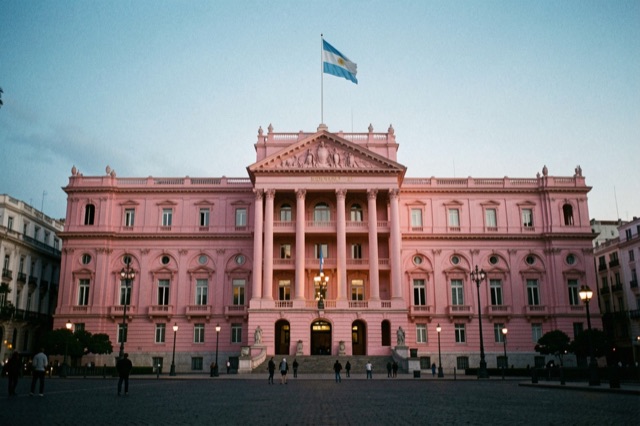
Argentina's Chamber of Deputies sent President Javier Milei's first omnibus reform bill back to committee on February 6, 2024, undoing its earlier approval in principle. The reversal came as lawmakers worked through the proposal article by article and disagreements surfaced over powers and privatisations. It was the first major parliamentary defeat of a president who had promised sweeping change but commanded only a small bloc in the lower house.
A headline vote was not a law
Four days earlier, the chamber had voted 144 to 109 to approve the reform package as a whole, Reuters reported. That vote indicated substantial support for debating its general direction, not agreement on every clause. Deputies still had to approve the detailed provisions before the bill could advance through the rest of Congress. Outside the legislative building, protests and clashes with police underlined how contested the project had become. Inside, the harder task was building a durable majority for individual measures.
The bill ranged across state companies, regulation and executive authority. Its supporters said Argentina needed institutional tools to enact reform during an economic emergency. Opponents objected to transferring too much power to the president and to plans that could prepare state assets for privatisation. Even parties willing to support aspects of Milei's economic diagnosis differed on the terms and scope of those changes. In a multiparty Congress, support for an overall objective did not automatically transfer to support for the government's chosen text.
Disagreements with the provinces
The Buenos Aires Herald reported that, when deputies reached the privatisation chapter, ruling-party deputies requested a break and then moved to send the entire bill back to committee. Under the chamber's rules, progress from previous votes was voided. The newspaper reported that allocation of the PAIS tax's revenue to the provinces had been one point of dispute: 16 governors had proposed a 30% provincial share. Privatisations were another source of friction. These were not minor drafting questions for provincial leaders dependent on national resources and responsible for services in their jurisdictions.
The ruling La Libertad Avanza party accused governors of seeking to protect privileges; opposition lawmakers celebrated the reversal. Interior Minister Guillermo Francos said the government had expected sufficient support, according to the Herald. Those reactions showed the gulf between an executive seeking speed and legislators demanding leverage. The defeat was not a formal rejection of every reform Milei had proposed. It was a failure to secure an acceptable coalition for this version of the bill at this stage.
Reform by negotiation or confrontation
The immediate question was whether the president would return with a narrower measure or continue to fight over the same broad package. A smaller bill might sacrifice some priorities while winning votes on others. A confrontational strategy could mobilise supporters but harden the resistance of governors and deputies whose votes he needed. The government's emergency decree faced separate court challenges, so relying exclusively on executive action would also carry legal risk.
For investors, the setback delayed clarity about rules for state firms, investment and the government's intended economic overhaul. For provinces, it showed that bargaining over funds could alter the president's legislative path. For opponents, it demonstrated that parliamentary procedure could stop a measure even after a dramatic initial vote. February 6 did not settle whether Milei could pass structural reforms; it established that winning a presidential election and winning an in-principle vote were different from assembling an article-by-article majority.