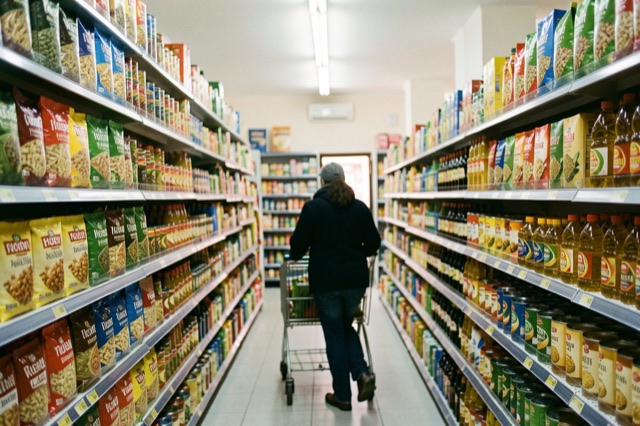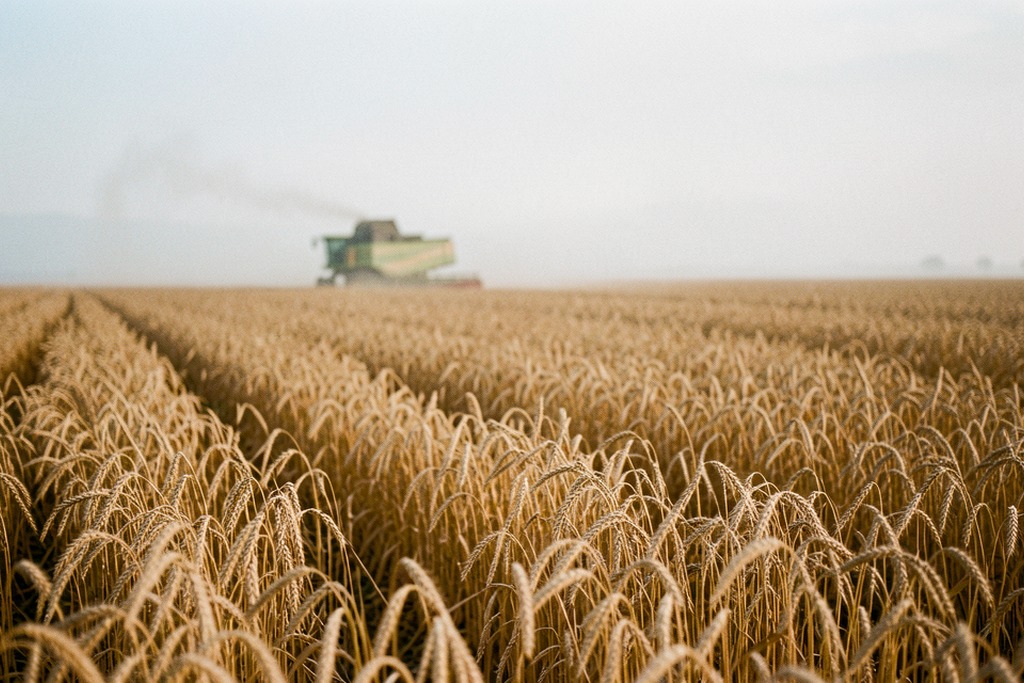
President Javier Milei announced lower agricultural export duties at Buenos Aires's Rural Expo on Saturday, July 26, 2025, making a fresh promise to one of Argentina's most important sources of foreign currency. The Buenos Aires Herald reported that the duty on soybeans would fall from 33% to 26%, on soybean by-products from 31% to 24.5%, and on corn and sorghum from 12% to 9.5%. The new beef rate was announced as 5%, down from 6.75%. Milei called the reductions permanent for as long as he held office; future governments would not be bound by that political promise.
Export duties, known as retenciones, are collected at the point where Argentina sells farm goods abroad. They raise tax revenue for the central government, but reduce the net price received by farmers and exporters. Policymakers have also used changes in the rates to influence food prices and the timing of foreign-currency sales. That double function explains why a seemingly narrow farm measure matters to the whole economy: the government wanted more exports and dollars while defending its fiscal balance.
A reversal after a short-lived break
The July announcement followed a messy sequence of temporary relief and restored rates. According to the Herald, the administration had cut duties on several commodities in January; the initial break was extended into July, but higher rates were reinstated for some products in late June. Farm associations objected. The Rural Expo speech therefore served both as a new tax announcement and as an attempt to reassure producers that the government's long-term preference was lower levies, not a temporary inducement to sell a crop.
Milei told the audience that the cuts were possible because of the fiscal surplus, and connected that argument to his opposition to legislation increasing public spending on pensions and disability support. That juxtaposition captures the distributive stakes: lower taxes on agricultural exports can reward production and investment, while critics of austerity can ask why a government restricting other expenditure should sacrifice a source of revenue. A surplus creates fiscal room only to the extent that lower collections can be accommodated without cuts elsewhere or more borrowing.
Argentine Rural Society leader Nicolás Pino pressed for duties to disappear altogether. That demand goes further than the president's announcement. For farmers, a reduced rate is still a tax on the value of a shipment regardless of whether the farm is unusually profitable in a given season. For a government short of reserve dollars, an immediate duty cut can encourage exporters to register more sales, but it can also cost tax receipts per tonne. Both effects must be measured over time rather than assumed from a speech.
Which rates changed
The Herald also listed sunflower's rate falling from 7% to 4%. It reported that wheat and barley would remain at 9.5% until March 31, 2026, under an earlier government decision. Not every commodity was subject to the same starting rate or the same new treatment. A foreign buyer checking an Argentine grain quotation therefore needs the date and exact product, particularly the distinction between whole soybeans and processed meal or oil.
Lower duties do not instantly increase harvest volumes. Crop decisions are made months ahead and depend on weather, credit, fertilizer costs and world prices. What can respond sooner is the timing of exports, as traders decide when to liquidate sales and turn export earnings into dollars. The Herald reported concern that strong daily hard-currency inflows earlier in 2025 might weaken later in the year.
What comes next
The promise would be tested in the subsequent export-registration data and by the government's ability to retain a fiscal surplus. Farmers wanted durable rules; the Treasury wanted dollars without a destabilizing loss of revenue. The president had offered a clear direction of travel in July. The harder question was how long a resource-dependent government could hold rates down when exchange-market pressure returned.