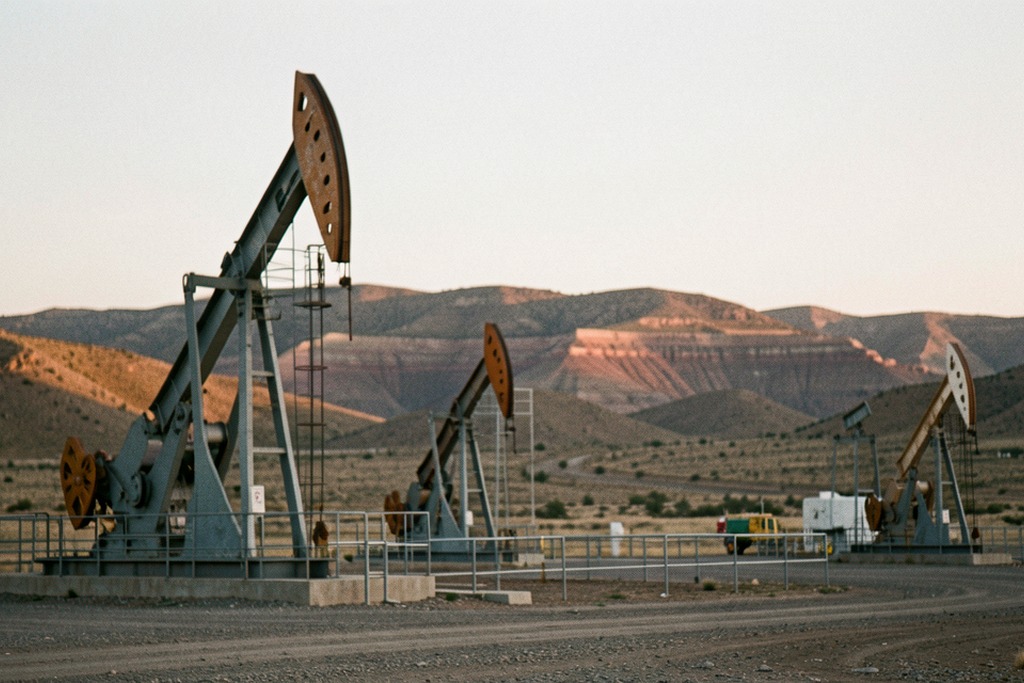
Chevron said on June 2 that it had applied to enter Argentina's large-investment incentive regime for a $13.8 billion unconventional oil project in El Trapial, in the Vaca Muerta shale formation. The application, reported by Reuters, was an important test of President Javier Milei's attempt to turn a more predictable investment framework into future production and export earnings. It was not an approval: the government still had to decide whether the project qualified. Nor did the headline investment figure represent money already disbursed.
A proposal, not a producing field
The US oil company's proposal was among the largest announced bets on the shale basin. Chevron described the incentive framework as relevant to long-term decisions and commended Argentina's progress in making its energy resources more accessible. Its statement, as reported by Reuters, illustrated what the government wants from RIGI: investors prepared to commit capital over years rather than wait for a short-lived currency or commodity-price window. The distinction between an application and a completed investment is crucial. A project of this scale must move through regulatory approval, financing, construction and production before its promised export dollars can reach the balance of payments.
Vaca Muerta sits at the centre of the administration's case for economic durability. Argentina needs foreign currency to meet its external obligations and to reduce recurrent pressure on the peso. Oil and gas exports offer one route, but development requires wells, equipment, transport capacity and policies that companies expect to last. RIGI, or the Incentive Regime for Large Investments, was designed to attract long-horizon capital to energy, mining and infrastructure. Chevron's application supplied a concrete example of investor interest without resolving the separate questions of timing and execution.
What the investment pitch must prove
The announcement gave Milei an investment story at a time when lower inflation alone could not solve Argentina's shortage of hard currency. It also invited a tougher measure of success than the value of proposals: approved projects, work started, output sold abroad and receipts actually entering the economy. Chevron had an obvious commercial interest in obtaining favorable rules; the government had an interest in showing that its reform program could attract major international producers. Neither interest by itself established how quickly households or public finances would benefit.
The wider policy trade-off is visible in the design of any investment incentive. Tax and regulatory stability can make an expensive shale project easier to finance; critics can reasonably ask what concessions the state offers in return, and when additional tax revenue and jobs arrive. Reuters' account did not put forward a measured local employment gain or an expected first-production date for this application. Treating the announced $13.8 billion as an accomplished inflow would therefore misstate the news.
The next immediate step was an Argentine review of Chevron's filing. Beyond that, Vaca Muerta's role in Milei's economic plan would be judged by actual development and foreign-exchange earnings, not just by the number or size of RIGI submissions. A promising application was a sign of interest, and a reminder that the gap between investment intentions and realized exports remained a central economic risk.