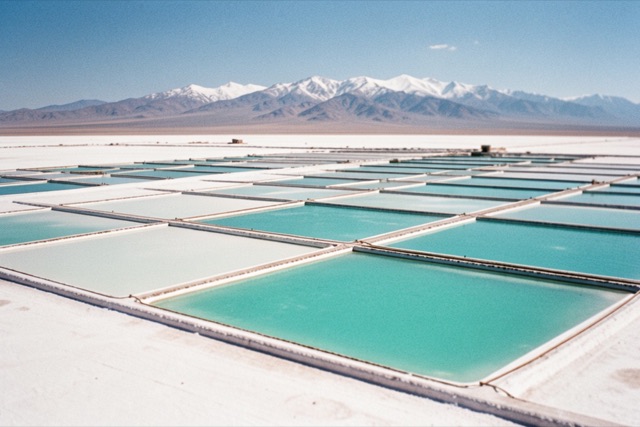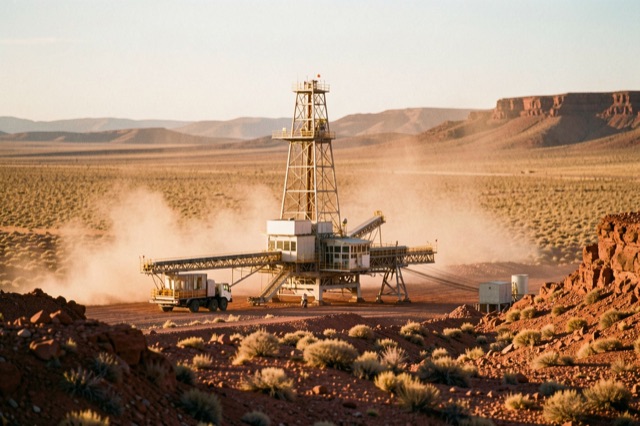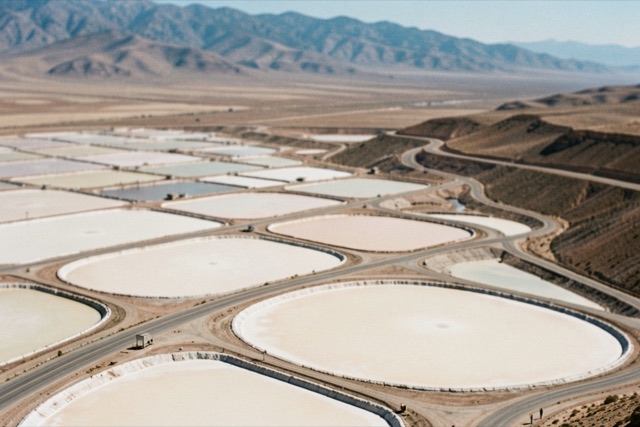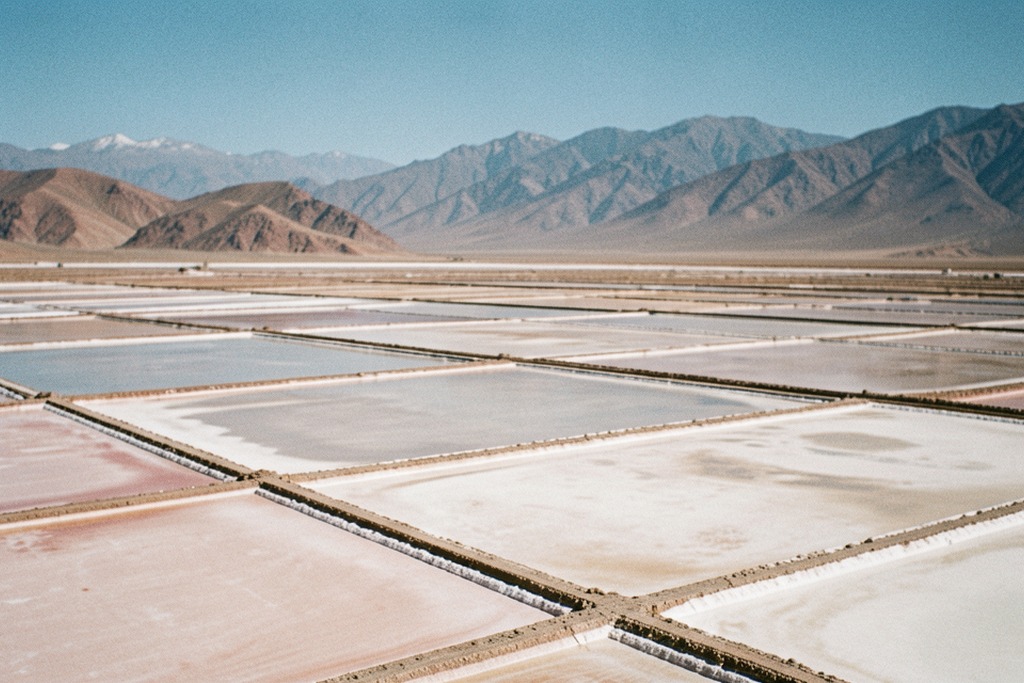
Argentina's investment committee approved Rio Tinto's Rincon lithium development for the Large Investment Incentive Regime on May 20, 2025, making it the first mining project accepted under the scheme. The project is in Salta province, and the approval was announced at a mining exhibition in Buenos Aires, according to the Buenos Aires Herald. The newspaper put the development's investment at $2.7 billion; Rio Tinto's December 2024 expansion announcement described its approved expansion investment as $2.5 billion. These are differently framed estimates, not two separate commitments to be added together.
RIGI, introduced under Milei's reform program, offers tax, customs, legal and foreign-exchange benefits for qualifying large projects. The Herald said investment must exceed $200 million. The government regards such concessions as the price of drawing long-horizon capital into a country with a history of policy reversals. For miners, legal stability is especially valuable because extracting and processing brine require years of construction before a large commercial return is possible. Approval to the regime is not an operating license for unlimited production.
The plant Rio Tinto plans
Rio Tinto described a proposed total capacity of 60,000 tonnes a year of battery-grade lithium carbonate: 3,000 tonnes from a starter plant and another 57,000 from the expansion. Its December 2024 statement scheduled construction of the bigger plant to start in mid-2025, subject to permitting, with first production expected in 2028 and a further three-year ramp-up. The company expected a long mine life and said it would use direct lithium extraction rather than relying only on conventional evaporation. Capacity, production date and mine life were company plans, not outputs independently achieved by the time of RIGI approval.
The location matters. Northern Argentina is part of the lithium triangle, and its brine resources attract companies looking to supply electric-vehicle and battery chains. Foreign investors also need roads, water management, power and relations with local communities. Rio Tinto said its technology could reduce water used in processing; that is a company claim about its design, not an independently established outcome for the expanded plant. Local consent and provincial permits remain material even when Buenos Aires grants a national tax benefit.
Incentives meet scrutiny
At the announcement, the head of Argentina's mining industry chamber told the Herald that the sector had felt energy projects were getting approval faster than mining. Rincon's admission gave miners a concrete precedent. Milei presented RIGI as a way of respecting a project's economic calculations; companies saw greater predictability in taxes and customs. Critics of preferential regimes, by contrast, can reasonably ask how much revenue the state forgoes and whether large foreign projects translate into enough provincial jobs and domestic supply chains. Those are questions of policy design, not evidence that this particular project had failed.
There is an important distinction for battery buyers: a reserve is not a shipment, and a tax approval is not a delivery schedule. Rio Tinto still needed to complete construction, meet permit conditions and achieve the extraction rates it advertised. Demand and lithium prices could change substantially before 2028. Its incentive status made the plan more bankable while shifting the real test to on-the-ground execution.
What comes next
For the administration, Rincon offered a measure of RIGI's reach beyond pipelines and energy. For Salta, the immediate issues were investment spending, safeguards and the credibility of local employment promises. For the global battery chain, Argentina's importance would depend on whether large projects moved from applications to sustained commercial supply. The May decision was the start of that harder phase rather than its end.