The US Export-Import Bank planned to provide up to $7 billion in financing for critical-mineral and energy projects in Argentina, according to a document reviewed by Reuters and reported as the UN General Assembly convened in September. Reuters said a person familiar with the plan expected the package to be announced on September 23 in New York. The prospective credit was a sign of closer Washington-Buenos Aires economic cooperation under Javier Milei, but 'up to' described a ceiling for planned financing. It did not show that $7 billion had been borrowed, paid out or invested.
How export credit could work
Reuters reported that the funds would allow companies operating in Argentina to obtain loans to buy equipment from US manufacturers, among other uses, over the following two years. That design linked Argentine resource development with American exports. Washington wanted more access to energy and critical minerals in the Western Hemisphere, while Argentina needed capital and equipment to develop projects capable of earning foreign currency. The arrangement could serve both interests, subject to loan approvals and viable projects. It was not the same as an unconditional grant to Argentina's Treasury.
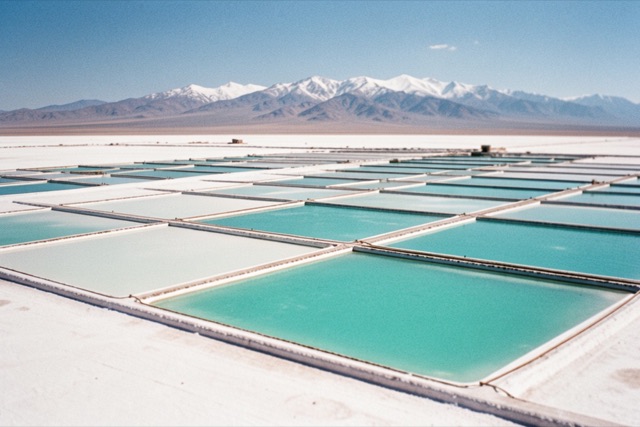
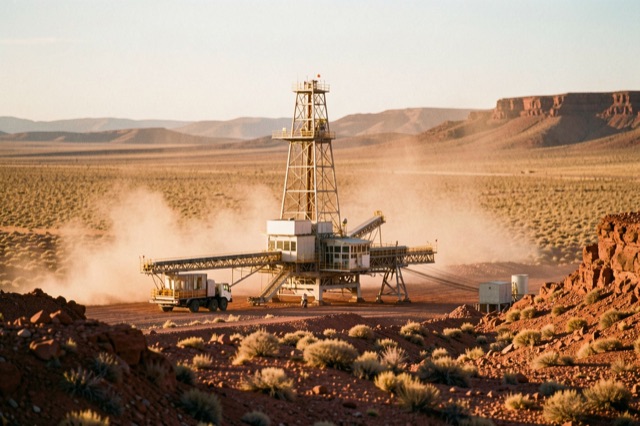
The announcement came against a longer attempt by Milei's government to attract international investors to shale energy and mining. Argentina has lithium, copper, oil and gas resources, and its RIGI large-investment framework is meant to improve the conditions for major projects. Reuters identified Rio Tinto in lithium, BHP in copper and Chevron in shale as companies with significant Argentine activities. A financing envelope could help suppliers and developers, but only specific transactions would reveal which projects benefited, their borrowing costs and the public or private parties bearing risk.
A closer alliance with unresolved steps
Milei had aligned himself closely with US President Donald Trump. Reuters said a bilateral preferential trade and investment agreement announced in February included cooperation on critical minerals, but Argentina's Congress had not yet ratified it at the time of the September financing report. Political affinity therefore ran ahead of some formal legislative steps. The Argentine presidency did not immediately respond to Reuters' request for comment on the planned export-credit package. Those qualifications make an important difference to readers trying to separate a report about planned financing from an executed bilateral program.
The commercial stakes were substantial. Resource developments must build facilities, obtain equipment and reach markets before they can raise export revenue. A US credit facility could improve access to machinery during that process, but large announced figures should not be added indiscriminately to the values of existing RIGI applications as though all represented fresh disbursements. For example, Reuters noted that YPF and Eni had recently applied under RIGI for a proposed liquefied natural gas development with a $51 billion headline value. A project proposal and a potential loan for equipment can refer to overlapping activity, not necessarily two separate completed investments.
The immediate follow-up would be a formal description of the financing terms and identification of eligible transactions. Over time, the useful measures would be loans actually approved, equipment delivered and production exported. For Argentina, the report strengthened the narrative of US backing for resource development; for investors and households, it left the central question of how fast that support could translate into jobs and dollar earnings.