Argentina's official poverty rate fell to 38.1 percent in the second half of 2024, down from 52.9 percent in the first half, INDEC figures released on March 31 showed. It was a sharp reversal after the surge in hardship that followed Javier Milei's initial devaluation and spending cuts. The number gave the administration evidence that disinflation was translating into better measured living standards. It also left a stark reality: more than one in three people counted in the agency's surveyed urban areas were still poor.
The Buenos Aires Times reported that the extreme-poverty rate also declined, to 8.2 percent in the second half from 18.1 percent in the first. Reuters reported that INDEC estimated about 11.3 million people were in poverty and roughly 2.5 million in severe poverty within its measured population. The official household survey covers 31 urban areas, a limit worth keeping in mind when treating the result as a description of every part of Argentina.
Why the measure changed
Poverty is measured by comparing household income with a basket of essential goods and services. When prices rise much faster than wages or assistance, more households cross below that threshold; when inflation slows and incomes recover relative to the basket, the measured rate can fall even though prices remain high. The decrease between semesters therefore did not mean the preceding price rises had been reversed. Nor did it mean every household had recovered its purchasing power.
The result covered two very different phases of the government's first year. The initial peso devaluation raised prices and helped push first-half poverty to 52.9 percent. A subsequent deceleration of inflation contributed to the second-half decline. The second-half 38.1 percent rate was also below the 41.7 percent Reuters reported for the second half of 2023, before Milei took office. Comparing those endpoints is useful, but it cannot by itself assign every change to a single government action; prices, employment and the composition of incomes all affect the measure.
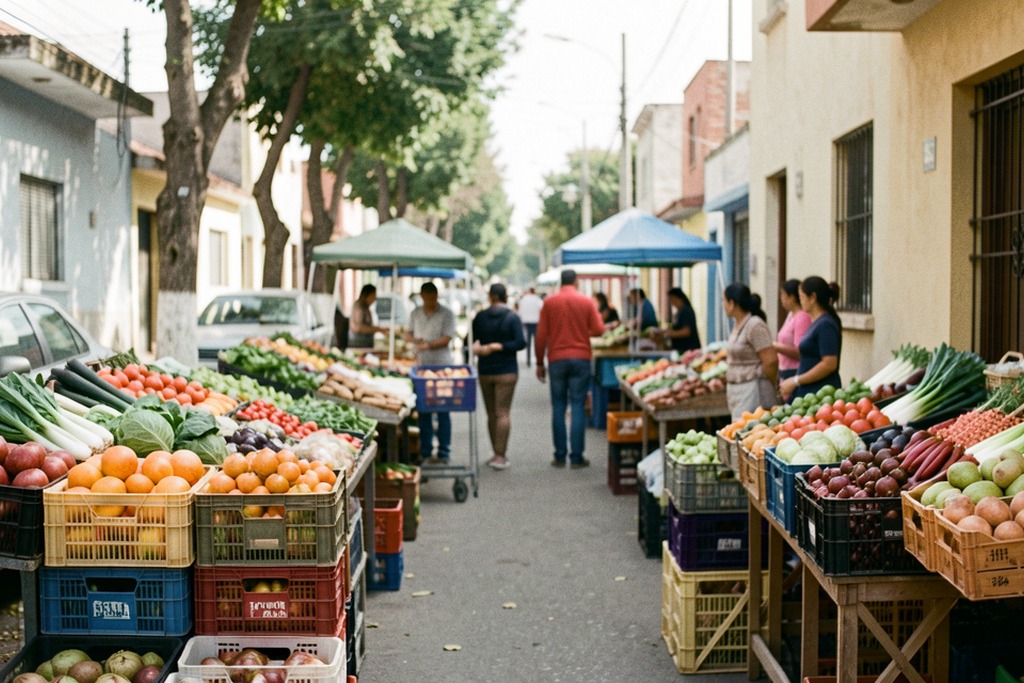
Milei's government attributed the fall to fiscal discipline and its campaign against inflation. Agustín Salvia of the Argentine Catholic University's Social Debt Observatory gave Reuters a more qualified reading: he welcomed greater price stability but warned that workers', retirees' and pensioners' incomes were still below their end-2023 levels, and that more people were working in precarious or subsistence jobs. Reuters also interviewed residents seeking discarded food near a Buenos Aires market, a reminder that a lower rate is not the same thing as an absence of deprivation.
The political meaning of an incomplete recovery
The data mattered because the government's programme had asked households to bear immediate losses in exchange for a longer-term stabilisation. Supporters saw the fall as proof that reducing inflation could lower poverty. Opponents could reasonably point to the millions still below the threshold and the insecurity experienced by people outside stable work. Both observations describe parts of the same release.
The next question was whether the improvement would persist as prices, wages and employment adjusted in 2025. A single semester cannot establish a permanent trend. INDEC's future surveys would show whether lower inflation kept lifting incomes relative to the poverty basket or whether weaker work and household earnings limited the gains. For voters facing an election year, that distinction would be felt in everyday purchases long before it appeared in another headline rate.