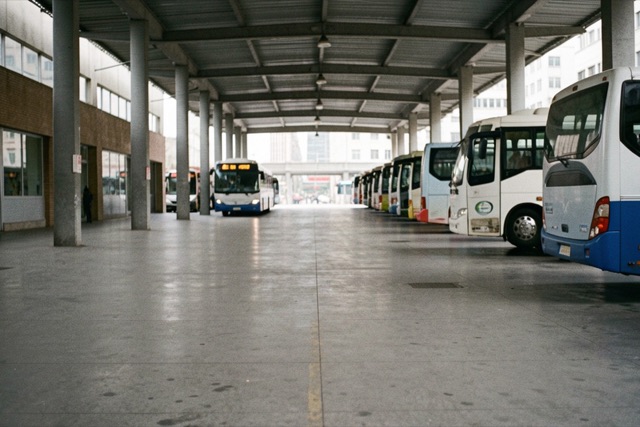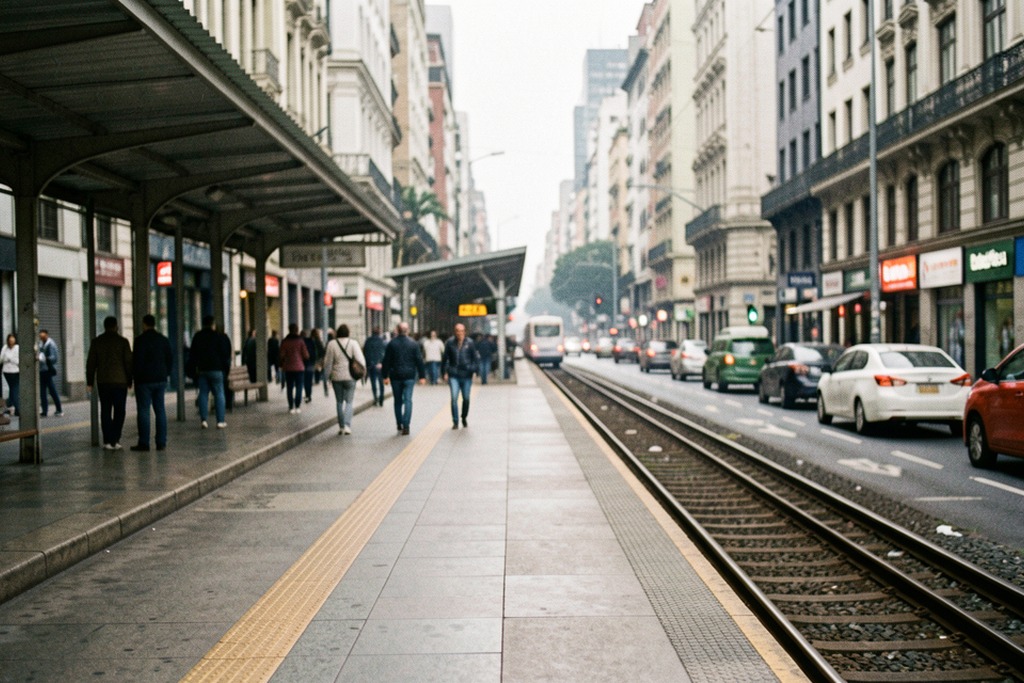
Argentine unions staged a 24-hour general strike on April 10 against Javier Milei's austerity policies, leaving train stations empty and disrupting flights, banking and public services. The action, called by the General Confederation of Labor, or CGT, turned the dispute over spending cuts and incomes into an immediate problem of transport and work. In Buenos Aires, the most visible contrast was between halted rail services and crowded bus stops: the bus drivers' union did not join the stoppage.
The Buenos Aires Herald reported that railway, subway and aviation workers as well as bank staff took part. The paper saw empty halls and cancelled services at the capital's Aeroparque airport. It reported that buses remained in operation because their union could not participate amid an ongoing wage-negotiation ruling. That qualification matters. A general strike can disrupt much of an economy without halting every route, service or workplace, and workers' ability to take part can vary by union and legal circumstances.
Competing accounts of the stoppage
The CGT called the strike a resounding success and urged the administration to change its income policy, the Herald reported. Its complaint extended beyond a single pay round: unions objected to the social effects of Milei's spending cuts and the loss of purchasing power experienced by workers and pensioners. The government responded sharply. According to the Herald, messages shown at railway stations described the action as an attack on the republic and said union leaders were standing in the way of Argentines who wanted to work. These were opposing political claims about the protest, not measures of actual strike participation.
The day exposed a complication in any simple account of economic stabilisation. Inflation had slowed from the extreme levels that followed the 2023 peso devaluation, and official poverty figures released in March showed a decline in the second half of 2024. Yet lower inflation is a slower increase in prices, not a return to old prices. Workers whose salaries lagged cumulative price rises could still feel poorer even while the government's headline indicators improved. A strike could therefore draw support without invalidating the published inflation or poverty data.
The disruption also imposed costs on other people. Commuters trying to reach jobs faced long queues where bus services took over from trains; air passengers had to change plans. Businesses dependent on workers, banks or freight were exposed to interruptions. Those consequences underpinned the government's case against the action, while organisers argued that a day of disruption was necessary to make their demands heard. Describing both effects is more useful than treating either side's slogans as a complete account.
A test of endurance for both sides
The strike took place as the administration pursued a wider programme of fiscal restraint and currency reform. The government could not treat the easing of inflation as proof that organised opposition would disappear. Nor could the unions assume that visible disruption would automatically produce concessions: Milei had made confrontation with established organisations part of his political identity.
The next test would be whether wage talks, public-sector decisions or further negotiations narrowed the gap between the parties. For households, the more immediate measure was whether earnings caught up with essential costs. For the administration, the question was whether it could sustain economic adjustment while retaining enough consent to govern. April 10 supplied a vivid answer about the strength of resistance, but not a settlement of the underlying conflict.