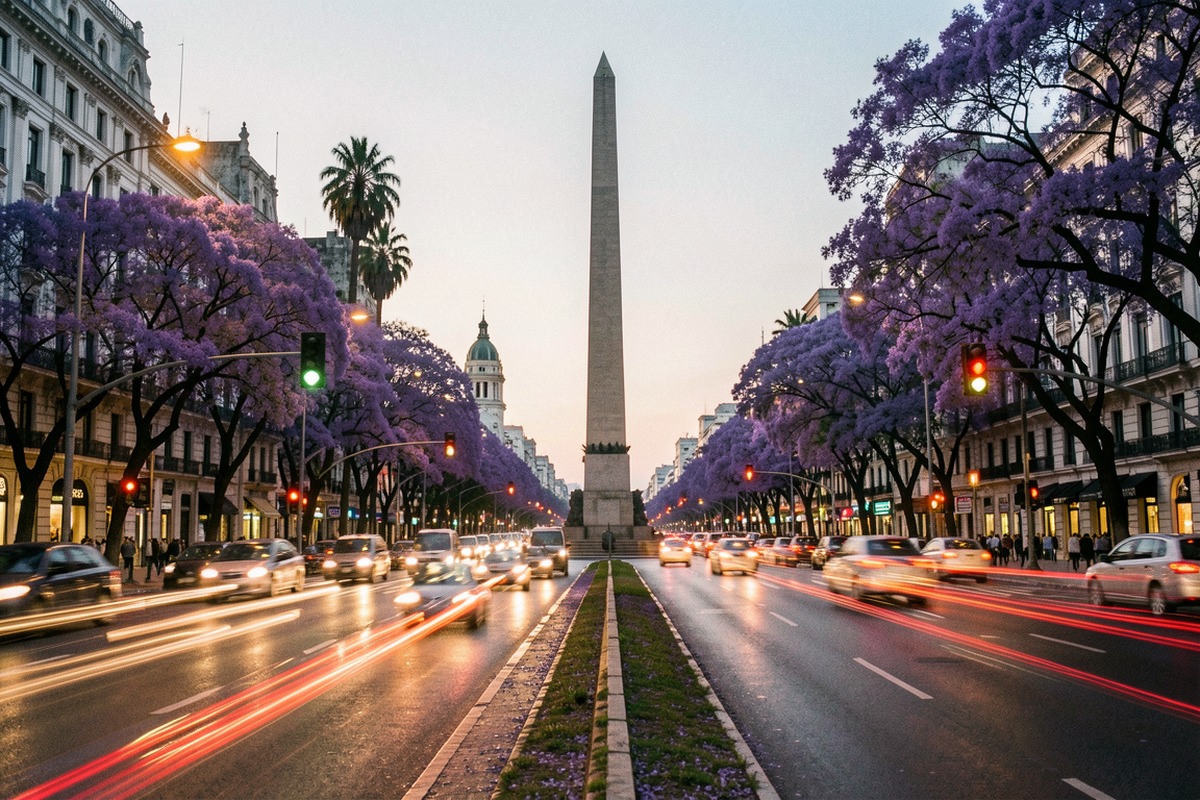
Argentina's deputies failed on October 9 to reverse President Javier Milei's veto of a law increasing funding for public universities. The government again used a blocking minority to protect its fiscal policy: 160 deputies voted to uphold the veto, 84 opposed and five abstained, according to the Buenos Aires Herald's account of the session. For students and staff, the vote meant a funding dispute would continue after a large national mobilisation and a year of pressure on salaries and operating budgets.
A second veto tested
The lower house had passed the funding measure in August, but Milei rejected it, citing the lack of a specified way to pay for the increase. The October vote followed the same constitutional arithmetic as the pension confrontation in September. An override required two-thirds support, not merely a majority against the president. This time support from the centre-right PRO bloc was pivotal to the government's defence, the Herald reported. Some Radical Civic Union deputies also backed the veto even though their party had promoted the funding legislation.
Public universities occupy a distinctive position in Argentina: access to them is closely tied to ideas of social mobility, and their workforce extends well beyond lecturers. An operating grant may keep buildings open, but pay determines whether universities can retain teachers and administrative staff. After talks failed, the Human Capital Ministry announced a 6.8% raise for professors and staff shortly before the vote. Unions rejected the offer as insufficient against inflation, according to the Herald. The offer therefore did not end the labour dispute even as lawmakers settled the immediate fate of the bill.
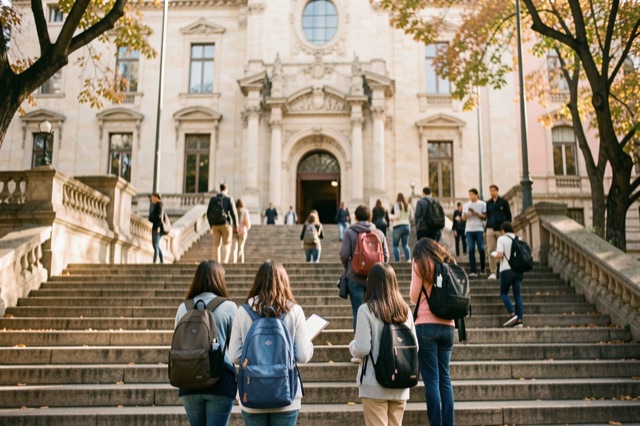
Mass marches had already put university financing on the national agenda. On voting day protesters assembled outside Congress, while students occupied buildings at universities in several parts of the country and held public classes in streets, the Herald reported. The actions made clear that the constituency affected by the veto was not confined to a single campus in Buenos Aires. They also created a dilemma for lawmakers who supported Milei's broader anti-inflation programme but faced angry students, teachers and families in their own districts.
Competing ideas of affordability
The administration argued that an unfunded spending obligation would undermine efforts to keep the public accounts in balance. Its critics argued that a budget frozen in a period of high inflation was itself a decision to reduce the resources available for teaching, research and wages. They disputed the premise that a legislative funding increase must necessarily undo fiscal stabilisation. The two sides did not only disagree over the cost of the bill; they disagreed over the cost of leaving it unpassed.
The vote gave the government a concrete victory, but it did not set a university budget that satisfied campus authorities and unions. Salaries, scholarships, buildings and research all depend on decisions taken throughout the budget year. The Herald reported that the government said low-income students' Progresar grants would continue, while students kept up occupations in response to the veto. That distinction matters: safeguarding one grant does not answer claims about the broader system's running costs.
The pension and university votes together showed how Milei could win against bills passed by Congress without commanding a majority for his own programme. Whether that institutional advantage would endure depended on keeping allies such as PRO and dissident centrists in the blocking camp. Universities, meanwhile, would measure the outcome not in the chamber's tally but in pay negotiations and their ability to continue teaching while price levels kept rising.