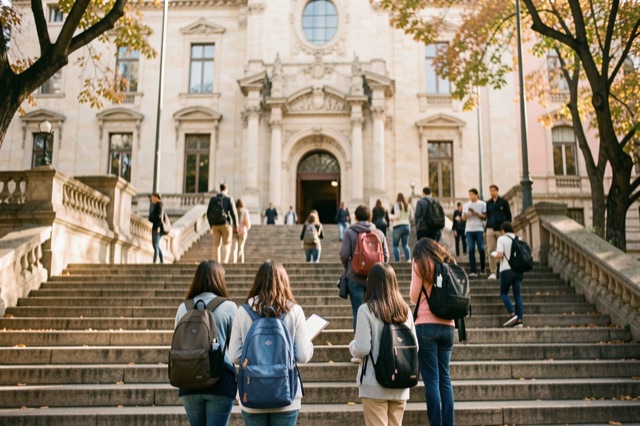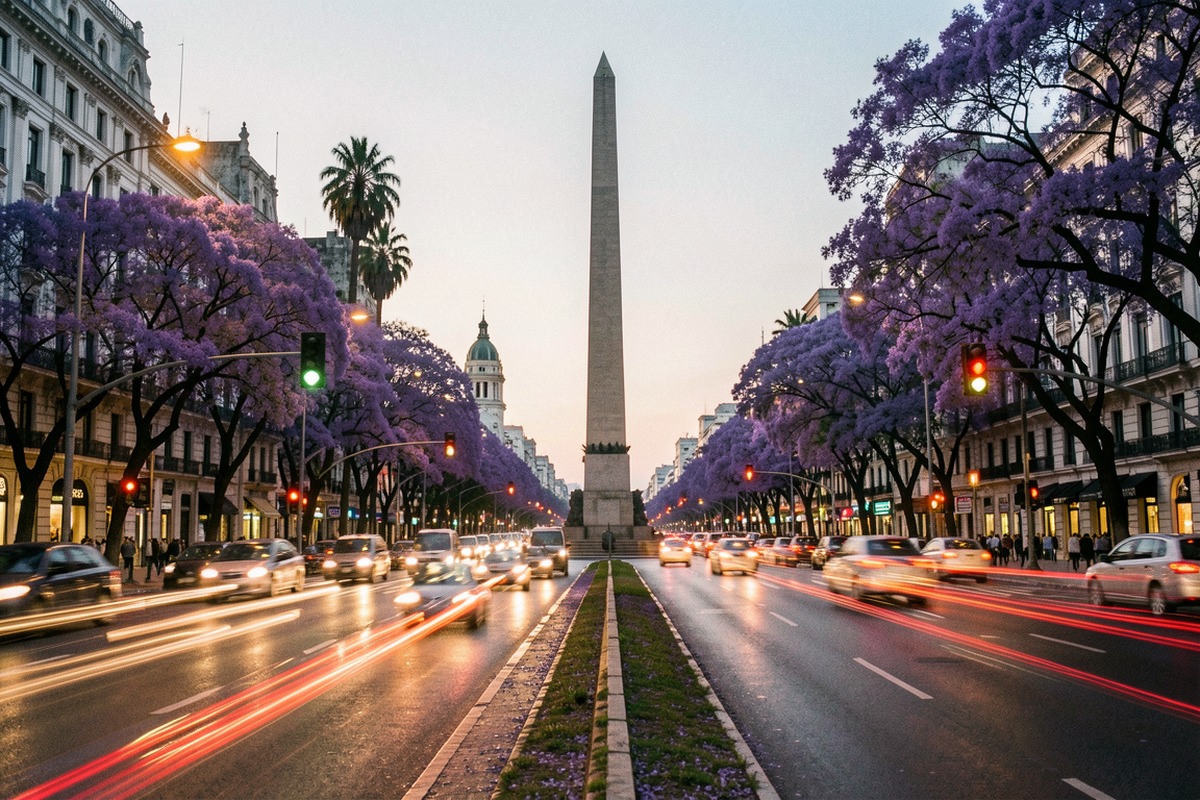
Students, lecturers and university workers marched across Argentina on April 23, 2024, to protest the erosion of public higher-education funding under President Javier Milei's spending programme. In Buenos Aires, demonstrators moved from Congress towards Plaza de Mayo; rallies took place in other cities too. The march gave the austerity debate a widely shared institution to fight over: free public universities that educate students, employ researchers and operate far beyond the capital.
A nominal freeze meets rapid inflation
The Buenos Aires Herald reported that funding for public universities had not been increased since Milei took office in December, although annual inflation was running at about 288% at the time of the march. Argentina was operating without a newly approved national budget, and the government could allocate extra money selectively. A nominal allocation that holds steady while prices climb buys less electricity, cleaning, laboratory supplies and maintenance. That is why the university dispute could not be reduced to a simple comparison of line items in pesos.
Beatriz Gentile, rector of the Universidad Nacional del Comahue, described cutting cleaning services to one shift, cancelling cellphone service and negotiating over utility bills, according to the Herald. The institution served more than 25,000 students across two provinces. Such details showed how the fiscal squeeze reached institutions beyond Buenos Aires: a constrained operating budget changes what a campus can keep open and maintain long before it appears as a closure. The University of Buenos Aires said it had suffered a substantial cut in real terms.
A dispute over the government's response
The administration announced a 70% increase for university operating costs in March and May, but the Inter-University National Council disputed the suggestion that a full agreement had been reached, the Herald reported. The disagreement turned partly on the base: an increase applied to operating costs, a fraction of total university funding, is not the same as a 70% increase for the whole sector. The government also argued that university spending needed scrutiny and defended its broader effort to eliminate deficits. University leaders and campaigners said budgets were already audited and that the real funding gap threatened teaching and research.
The crowd included students, staff, unions and political opposition figures. At Plaza de Mayo, human-rights activist Taty Almeida rejected the idea that political participation made the march merely partisan, the Herald reported. Her argument reflected the movement's desire to speak for an institution rather than a party. Milei criticised the march on social media. Protesters' support was visible, but their numbers did not by themselves determine how to fund universities or settle the government's fiscal responsibilities.
The larger choice behind the march
Universities train professionals and produce scientific research, functions whose benefits may not be visible in a monthly Treasury statement. The government, meanwhile, had just announced a first-quarter financial surplus and treated lower public spending as the foundation for economic stabilisation. The conflict exposed a difficult sequencing problem: if financial discipline is achieved by freezing nominal budgets, institutions must manage the real cuts immediately while the promised benefits of lower inflation take time to arrive.
As of the march, the immediate questions were whether the new operating funds would arrive, whether they would match rising costs, and whether officials and university authorities could agree on a credible budget. The same debate would recur across Argentina's public services: a central-government saving may be a locally felt reduction in capacity. The April rally made that trade-off politically conspicuous without resolving it.