Argentina's lower house left President Javier Milei's veto of a pension increase in place on September 11, despite more deputies voting to reverse it than to support him. The opposition won 153 votes to the government's 87, with eight abstentions, according to the Buenos Aires Herald. But overturning a presidential veto required a two-thirds majority, and the president had enough support to block it. The result made retirement incomes a defining test of Milei's insistence that new spending must not disrupt the fiscal balance.
A majority that could not overturn a veto
The Senate had passed the pension measure on August 22 after the lower house approved it in June. The proposal would have raised payments and introduced guarantees intended to stop retirees' incomes slipping behind the cost of a basic basket of goods. Milei vetoed the law at the start of September, arguing it threatened fiscal sustainability. The Herald reported that the increase for a person receiving the minimum state pension would have amounted to about 15,000 pesos in September. That amount was modest for a household under pressure but, across the system, the administration argued the additional commitment conflicted with its deficit target.
The arithmetic of the override was politically revealing. Some deputies from the centrist Radical Civic Union, or UCR, changed their position after previously backing the pension law. The president's right-of-centre PRO allies also helped protect the veto. That left the opposition with a simple majority and an important protest vote, but not the qualified majority needed to enact the increase without Milei's consent. It was a demonstration that a minority president could still defend his budget if he maintained a blocking coalition.
Government communications welcomed the votes that prevented the override and repeated that fiscal balance was non-negotiable, the Herald reported. Opposition lawmaker Germán Martínez argued instead that congressional budget calculations showed the increase could be paid for. These are opposing claims about priorities as well as accounting. Retirees living on a fixed income experience inflation and tariff rises immediately; the Treasury experiences a permanent uprating of pensions as a recurring liability. The dispute was not resolved by the override vote.
The social cost of a fiscal line
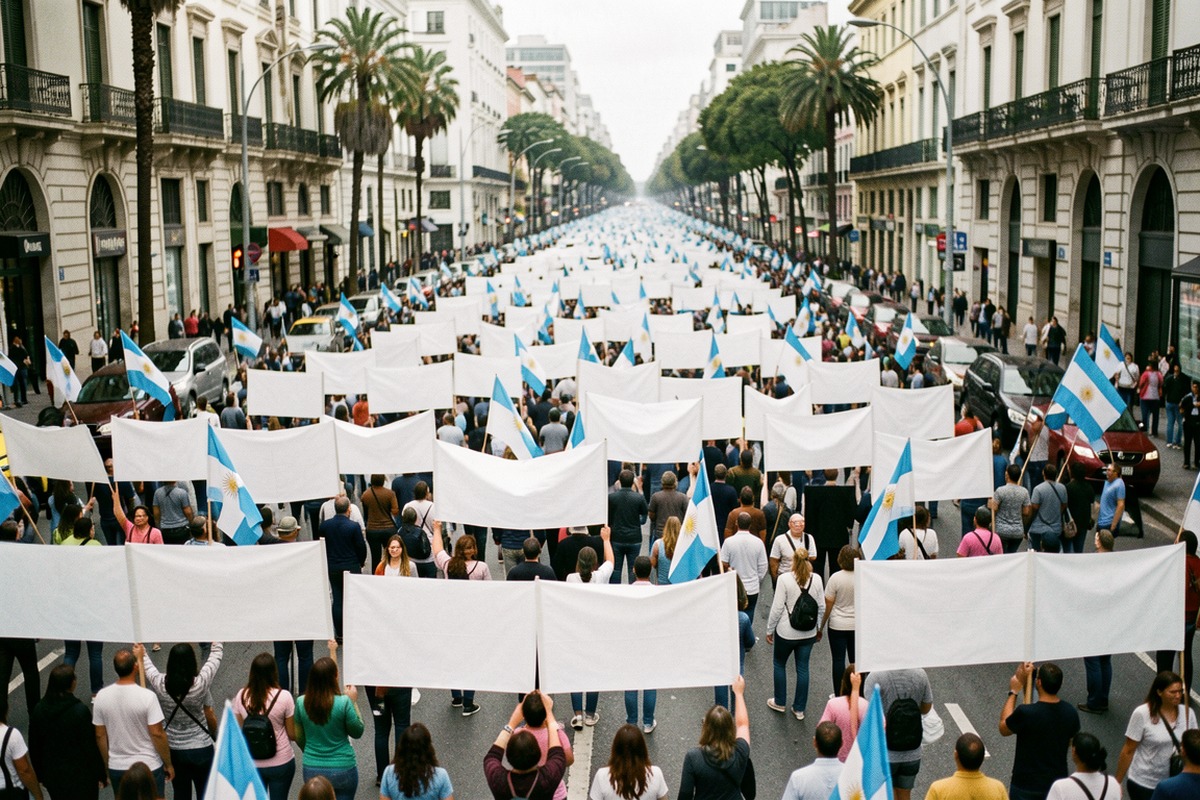
Demonstrators gathered outside Congress to demand that legislators reverse the veto. Police used tear gas and water cannon after the vote, according to the Herald's reporting. The confrontation underlined how a parliamentary procedural rule could have a visible effect far beyond the chamber: many older Argentines had counted on a legislative adjustment as prices continued to rise. The politics of enforcement became part of the pension story, not a separate argument about street order.
The vote also deepened strains inside the UCR. The party had helped promote the pension measure; legislators who backed the veto faced anger from colleagues. Milei had invited several lawmakers to meet him before the debate, a reminder that congressional alliances can turn on individual deputies, not only party platforms. For the government, securing their support protected the central premise of its programme: no spending measure without an offset that it accepts. For opponents, it showed that the fiscal target could defeat a measure supported by most representatives.
The veto could not be treated as a final settlement of pension adequacy. Monthly inflation had eased from the crisis levels at the end of 2023, but lower inflation does not restore purchasing power already lost. Retirees and their representatives would continue pressing for a different floor, while the administration would have to show that its fiscal gains could be maintained without indefinite real cuts to vulnerable households.