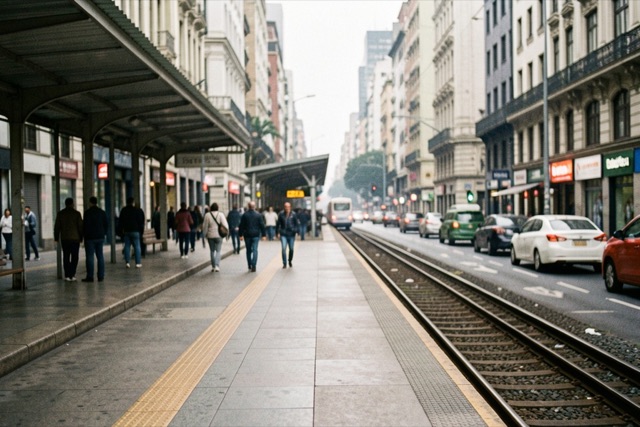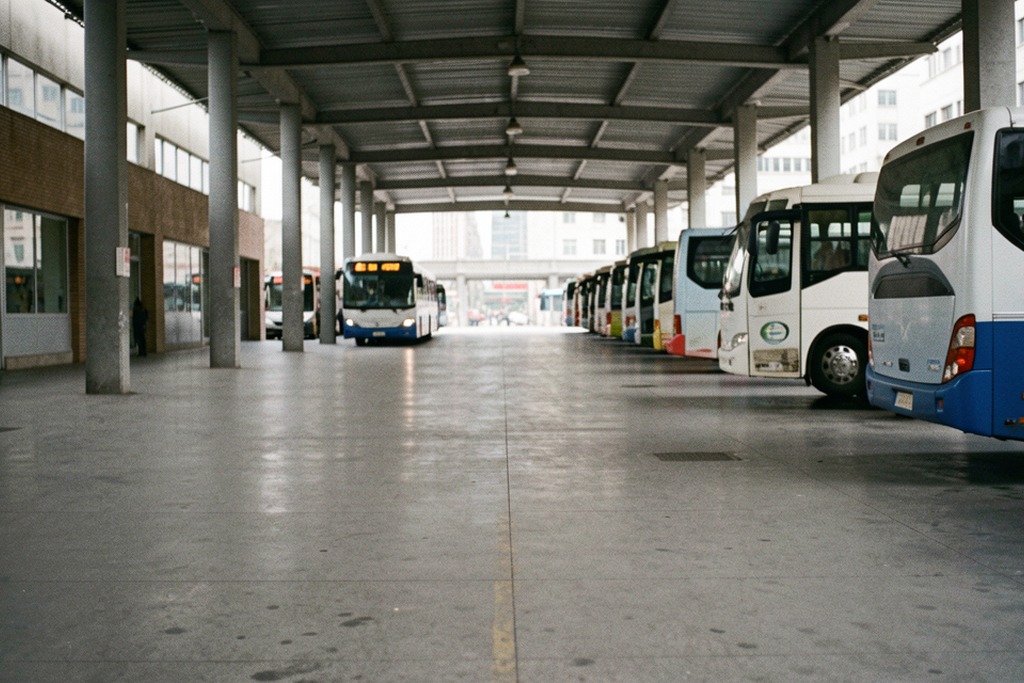
Argentina's main union federation, the CGT, began a 24-hour general strike on February 19 as the Chamber of Deputies debated President Javier Milei's proposed labor-law changes. The protest made the legislative struggle visible outside Congress: passenger transport unions joined the stoppage, flights were canceled and port activity was affected. For the government, changing labor rules was a way to encourage formal hiring. For union leaders, the same proposals threatened existing protections. The strike showed how far apart those accounts remained as lawmakers weighed the bill.
A confrontation timed to the vote
The walkout began at midnight on the day the lower house was set to consider legislation already approved by the Senate the previous week, Deutsche Welle reported. DW described it as the fourth general strike of Milei's presidency. The CGT regarded the proposed changes as regressive, while supporters argued that modernizing employment rules would make hiring less costly and less risky. The fact that the bill had cleared one chamber did not end the contest: a revised version could still need another Senate decision, and unions could still attempt to shape public and legislative opinion.
The CGT's Christian Jerónimo said before the walkout that voters had not authorized the government to take away rights, DW reported. That was the federation's political argument rather than a neutral description of the bill. Organized labor's leverage lay partly in its capacity to interrupt services on the same day deputies faced the vote. Transport participation was especially important because a stoppage without it would have a different effect on cities and workplaces. DW noted that participation in an earlier general strike in April 2025 had been uneven because some passenger transport services had continued.
Flights, ports and the wider economy
Aerolíneas Argentinas canceled 255 flights, affecting 31,000 passengers, according to the airline figures reported by DW. Port workers also joined the stoppage, affecting terminals including Rosario, a key agro-export hub. These are direct costs to travelers and shippers, separate from the question of whether the legislation would improve labor-market performance in the long run. The union's intention to make the strike felt across major urban centers likewise meant the dispute would be experienced far beyond the floor of Congress.
The stoppage occurred amid labor-market anxiety. DW reported the closure announced by tire manufacturer Fate the preceding day, with more than 900 jobs at its Buenos Aires-area plant at risk. The company linked its decision to a loss of competitiveness associated with imports, according to the report. Union-provided figures cited by DW for broader company closures and job losses should be treated as union estimates, not an independently audited national count. The concrete Fate announcement nevertheless placed the argument about hiring, industrial competitiveness and imports in a real workplace.
What the stoppage could decide
A one-day strike could demonstrate opposition and impose economic costs, but it could not itself withdraw a bill or determine a legislative tally. Deputies still had to debate the text, with any alterations changing the path through Congress. Nor could the government treat a prospective gain in formal employment as something already delivered: its claim would need to be tested against subsequent hiring and job quality. February 19 was therefore a point of maximum visibility for competing views of work in Argentina. The immediate question was whether the interruption would influence legislators; the longer question was whether a new law would create opportunities without weakening the security that current workers relied upon.