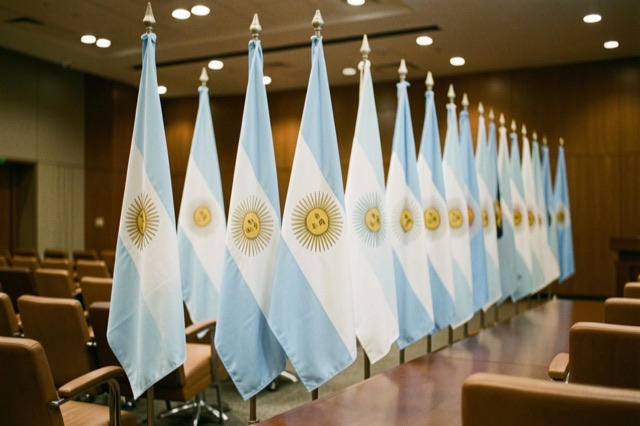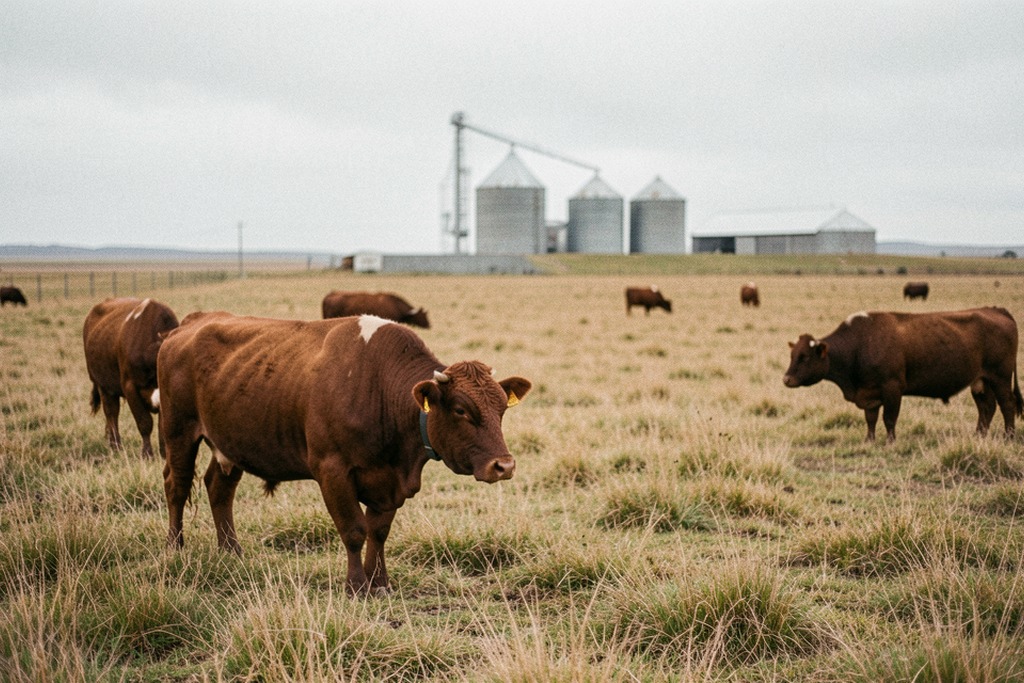
Argentina and the United States signed a reciprocal trade and investment agreement on February 5, the Milei government announced. The deal promised wider access for Argentine beef and lower US trade barriers on a range of products, while opening opportunities for American exporters in Argentina. It was a significant move toward the closer commercial relationship Javier Milei had sought with Washington. Yet signing and implementing a trade deal are distinct steps: the Argentine government said it would send the agreement to Congress, and the precise operation of its commitments would depend on the text and approval process.
Market access in both directions
Deutsche Welle, citing the Argentine foreign ministry, reported that Washington would remove reciprocal tariffs for 1,675 Argentine products and expand preferential access for beef to 100,000 tonnes. The ministry estimated that the enlarged beef access could increase Argentine exports of the product by about $800 million; that was a government projection, not sales already booked. The account also said Washington had undertaken to review its tariffs on steel and aluminum in due course. A promise to review those duties should not be mistaken for their immediate removal.
US Trade Representative Jamieson Greer said the pact would lower longstanding trade barriers and give American exporters substantial access to Argentina's market. DW identified motor vehicles and agricultural products among the US goods that stood to benefit. Argentina's presidency described a broader agenda of removing tariff and non-tariff obstacles, easing customs procedures and promoting investment in energy, critical minerals, infrastructure and technology. The agreement built on a bilateral framework announced the previous November, rather than emerging without prior negotiation.
The strategic dimension
The trade announcement followed a framework on critical minerals signed by the two countries the day before, according to DW. Its focus included financing and faster permitting for mining and processing projects. For Argentina, the commercial prospect extended beyond cattle ranches: energy, mining and technology were also central to how the government presented the relationship. Mining projects, however, depend on actual investment and permitting, and an agreement between national governments cannot by itself bring a mine into operation or deliver an export shipment.
DW quoted international trade analyst Marcelo Elizondo describing the pact, after the January EU-Mercosur signing, as part of a wider opening for an economy he regarded as historically closed. That interpretation captured the government's strategic ambition without resolving how gains and costs would be shared. Domestic businesses exposed to new imports and producers seeking export access would assess different parts of the same bargain. Congress would have to scrutinize the commitments before the claimed opportunities could be treated as settled.
A signing, not a completed transformation
DW reported that Argentina had a merchandise-trade surplus with the United States in 2025, exporting $8.338 billion and importing $6.704 billion, with fuel and industrial manufactures among its major exports. Those were figures for the preceding year, not an effect of the new pact. The relevant questions in February were how the provisions would be implemented, what legislators would approve and whether new investment would follow. At the moment of signature, the deal established a direction for bilateral policy, not proof that the announced export projections had been realized.