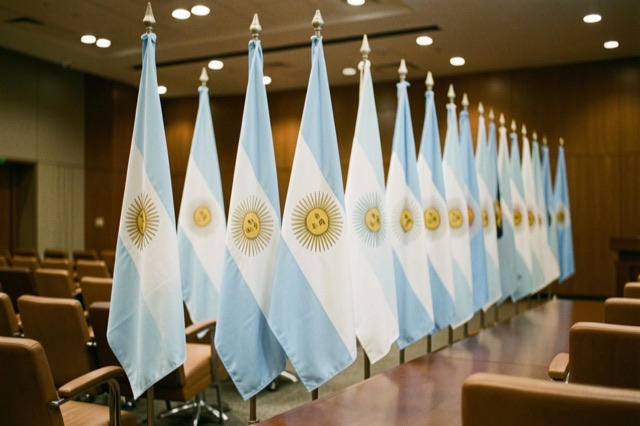
Officials from the European Union and Mercosur signed a trade agreement in Asunción, Paraguay, on January 17 after 25 years of negotiations, Reuters reported. For Argentina, the signature marked a significant turn toward a larger prospective market for its exports, but it was not the same thing as the elimination of tariffs that day. European parliamentary consent and ratification by the legislatures of the South American members remained necessary steps. The distance between signing and implementation mattered as much to exporters as the diplomatic breakthrough.
What the signatures covered
The pact was designed to reduce tariffs and expand commerce between Europe and the South American bloc. Reuters described it as the European Union's largest-ever trade accord if completed. Argentina belongs to Mercosur alongside Brazil, Paraguay and Uruguay, whose national legislatures also faced ratification. The agreement thus rested on multiple domestic political processes, rather than a single bilateral decision in Buenos Aires or Brussels.
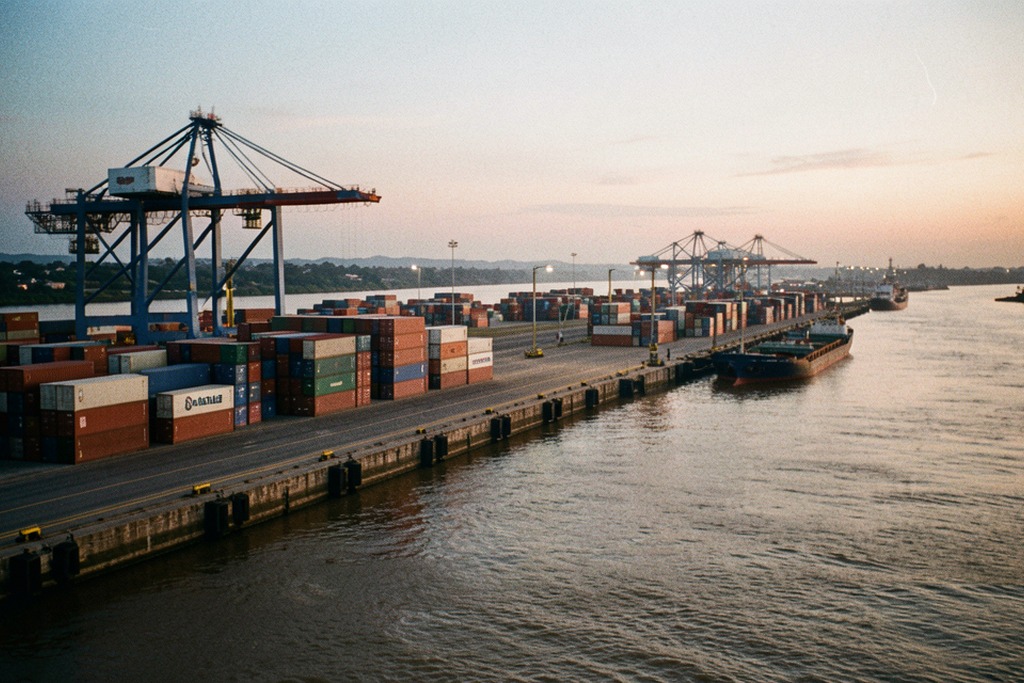
Reuters reported that trade between the two regions totaled €111 billion in 2024, with European exports concentrated in machinery, chemicals and transport equipment, while Mercosur exported agricultural goods, minerals, wood pulp and paper. Those complementary patterns explained the deal's appeal. Argentine producers seeking European customers stood to gain from lower barriers; importers and consumers in South America could obtain access to a wider range of European goods. Actual benefits would depend on the final legal timetable and the specific tariff schedules, not on the ceremonial date.
Open markets, contested politics
The agreement had gained the backing of most EU governments, but European farming and environmental organizations opposed aspects of it. According to Reuters, their concerns centered on competition from lower-priced South American farm products and the possibility of increased deforestation. European Commission President Ursula von der Leyen presented the deal as a choice of trade over tariffs and isolation, while European Council President António Costa linked it to economic security in a volatile international environment. Their case was political as well as commercial: a trading relationship can diversify supply and demand when other partners turn toward protection.
For Milei's government, the signing offered support for its case that Argentina could leave behind a more closed model. Yet the administration could not promise immediate European market access simply on the strength of its own policy preferences. Other governments, European lawmakers and domestic legislatures had roles in the agreement's fate. Likewise, the criticism from European farmers did not disappear merely because their governments approved the signature. The deal was a negotiation between economies with different political constituencies, not an uncontested endorsement of free trade.
Ratification becomes the next story
Brazilian President Luiz Inácio Lula da Silva did not attend the Asunción ceremony and sent his foreign minister, Reuters reported. The distinction underscored that Mercosur's internal politics had to be navigated alongside the European process. Argentina's Congress, the European Parliament and the other Mercosur legislatures would have to decide what came next. Businesses considering investments or new export routes therefore had reason to watch for legal milestones rather than treat the January 17 signature as the start of tariff-free trading. The agreement brought a potentially consequential commercial opening into view; its practical effect remained conditional on politics across both regions.