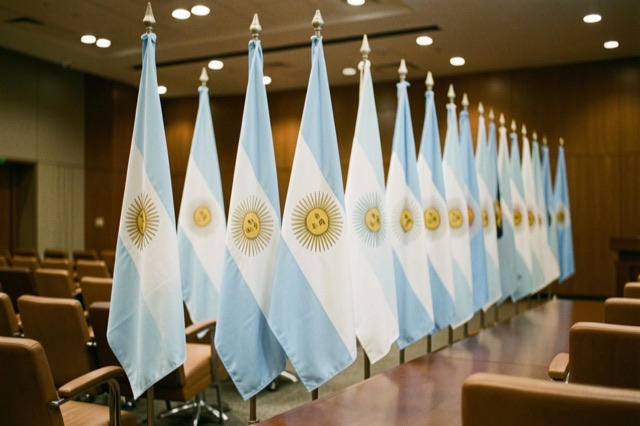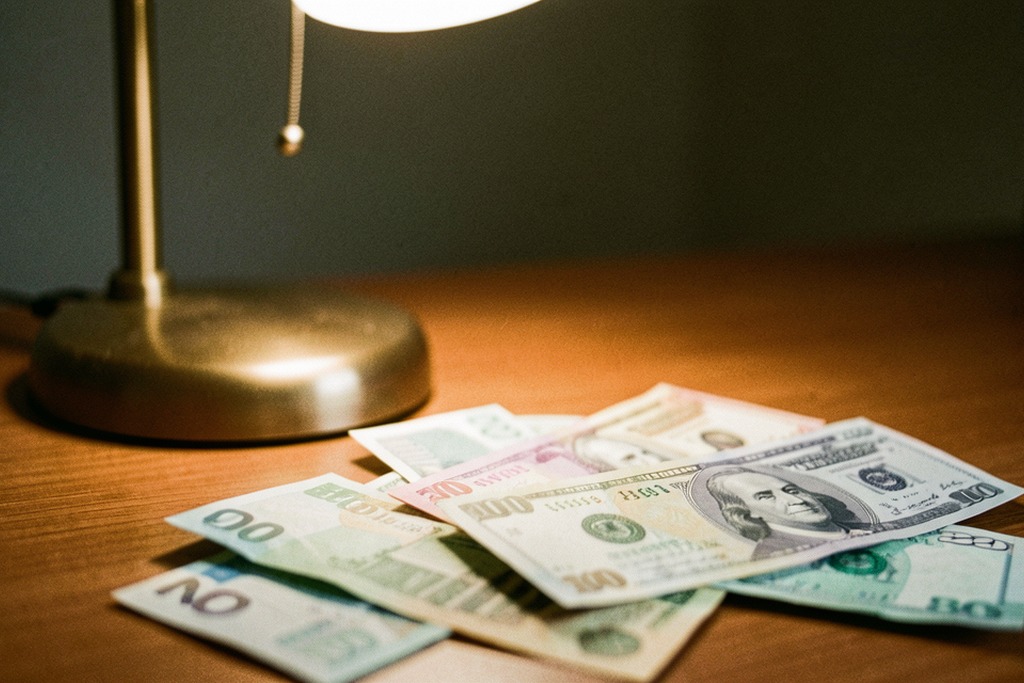
The US Treasury bought Argentine pesos and finalized a $20 billion currency-swap framework with Argentina on October 9, 2025, converting a political pledge into direct market support. Treasury Secretary Scott Bessent announced the steps after talks with Economy Minister Luis Caputo. Reuters reported that the purchases helped lift the peso and Argentine securities. Washington did not disclose how many pesos it had bought or how the swap would operate, so the $20 billion figure described the framework’s size, not cash already paid to Argentina.
The intervention came after weeks of pressure on the currency and just ahead of October 26 congressional elections. President Javier Milei needed a stronger legislative position to defend his fiscal program and pursue market-oriented changes. President Donald Trump’s administration had openly backed him, raising questions about whether US financial support was being deployed to help an ally in a closely contested domestic campaign. Bessent insisted the operation was not a bailout and argued that the United States would not lose money, according to Reuters. His account was a policy defense, not a published balance sheet for the transaction.
What Washington did, and what it did not disclose
Reuters reported that the peso closed on October 9 at 1,418 per dollar, up 0.8% after an earlier fall, and that local Argentine shares gained 5.3% that session. A 2035 sovereign bond rose 4.5 cents to 60.5 cents per dollar. These moves measured a market response to the Treasury announcement; they did not establish that the swap had been fully drawn or that Argentina’s reserve weakness had ended. A Treasury spokesperson declined Reuters’ request for details of the peso purchases and swap structure.
Officials from the International Monetary Fund took part in the Washington talks, Reuters said. The IMF already had a separate $20 billion program with Argentina. IMF Managing Director Kristalina Georgieva welcomed the US announcement and emphasized fiscal discipline and a foreign-exchange regime conducive to reserve accumulation. The US swap framework and the IMF loan were different instruments; adding their headline figures as though both were freely available budget revenue would misrepresent them. The central question was whether foreign-currency support could allow the authorities to manage exchange-rate pressures while rebuilding their own reserves.
Politics on both sides of the border
Several US Democratic senators criticized the use of Treasury resources to support a foreign government while domestic funding was under dispute, Reuters reported. Senator Elizabeth Warren questioned the administration’s priorities. Bessent presented the initiative as serving US strategic interests as well as financial stability and cited closer alignment with Argentina. Domestic critics of Milei could also ask whether a rescue that calmed investors addressed wages, pension incomes or public-service cuts. Those were political objections to the policy, not evidence that the swap had failed.
Analysts told Reuters the move might give Milei’s coalition room to campaign, but they continued to watch both the election and what the government would do with its currency regime afterward. The central bank had recently spent reserves defending the peso band. A credible outside backstop could discourage speculative selling, yet repeated intervention without durable dollar earnings would leave a familiar Argentine vulnerability in place. Export sales, debt access and confidence in policy would matter as much as the initial US purchase.
For now, two previously conditional ideas had become concrete: a finalized swap *framework* and an actual Treasury purchase of pesos. Details of use, exposure and conditions had not become public. The scale of the market rally offered Milei short-term relief; the harder measure would be whether Argentina could pass through the midterms and still reduce dependence on emergency support.