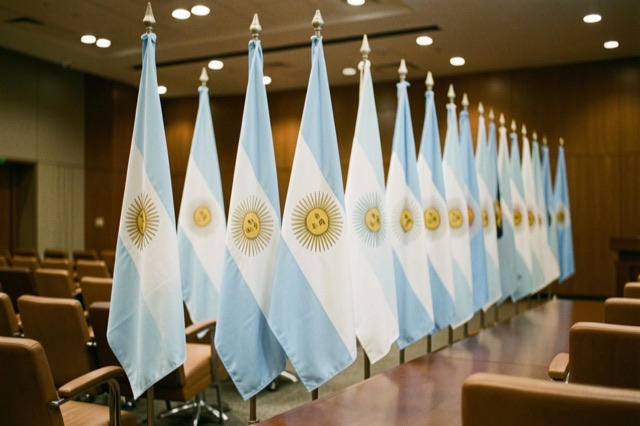
Argentina withdrew from its planned accession to BRICS on December 29, 2023, as President Javier Milei translated his campaign's diplomatic pivot into a formal decision. The country had been due to join the grouping at the start of January. Milei instead wrote to its leaders to say that decisions made under his predecessor had been reviewed and that his government's foreign-policy approach differed. The choice put political distance between Buenos Aires and a bloc whose members included two of Argentina's largest trading partners.
Rejecting a club, not bilateral business
The BBC reported that Milei sent his letter to the leaders of Brazil, Russia, India, China and South Africa, the original BRICS members. His letter said full membership was not appropriate but expressed an intention to strengthen bilateral relationships, particularly for trade and investment. That distinction was essential. Rejecting membership in a diplomatic grouping did not mean Argentina could afford to stop trading with China or Brazil. Exports, imported inputs and financing remained pressing needs as the new government tried to stabilise a crisis-hit economy.
The preceding administration of Alberto Fernández had sought to join the expanded group. BRICS is frequently presented as a counterweight to Western-dominated institutions, though its members have distinct interests and their own disagreements. Joining would have provided a diplomatic forum rather than a guaranteed solution to Argentina's currency shortage. By turning down the invitation, Milei placed ideological coherence with his professed Western orientation above the potential diplomatic opportunities of membership. The costs or benefits of that calculation could not be measured on the day of the letter.
A campaign position encounters commercial reality
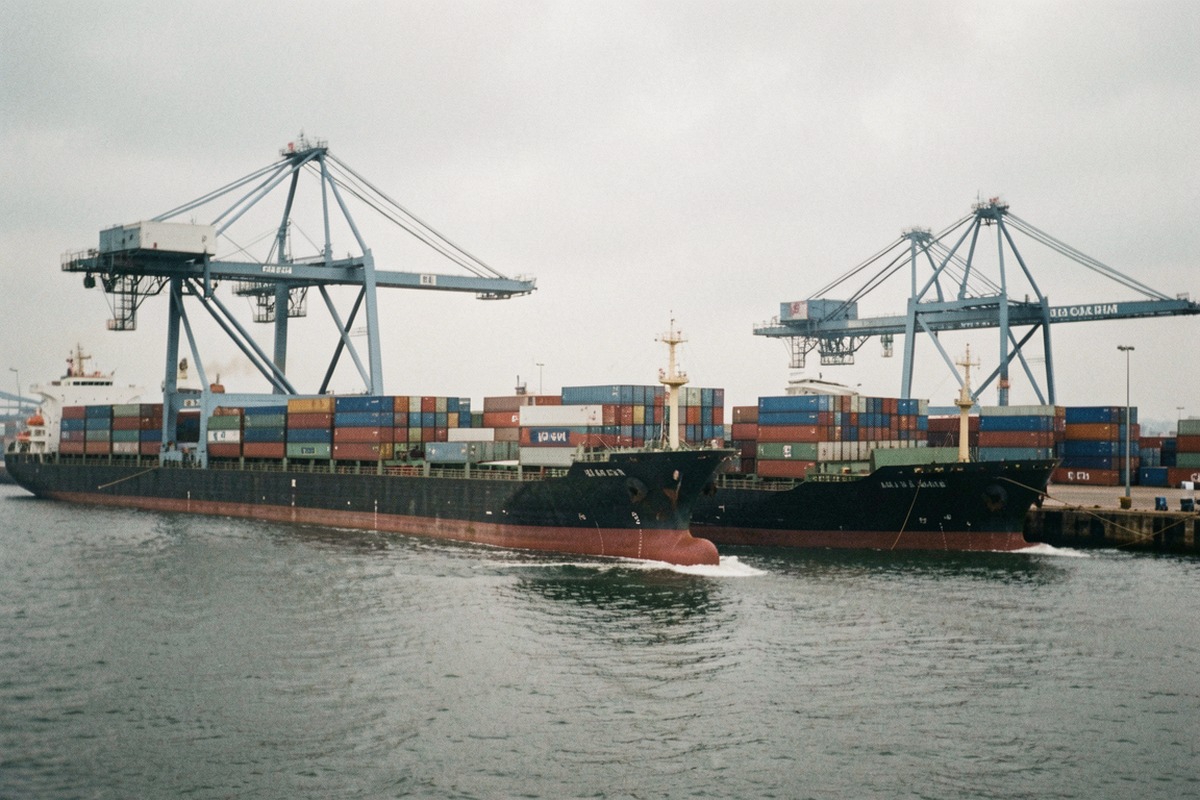
Milei had criticised the Chinese government sharply during his election campaign. Yet the BBC noted that China and Brazil were Argentina's two largest trading partners, with the United States not far behind. Those relationships linked Argentina's farms, factories and importers to governments with different political systems. Maintaining working ties while declining the club was therefore not a contradiction to be wished away; it was the practical challenge of governing a country that needed export markets and dollars.
The timing also mattered. Economy Minister Luis Caputo had just unveiled a severe adjustment, including a devaluation of the official peso rate and cuts to public spending. Foreign investors and Argentina's international creditors were watching whether the new leadership could restore stability. A BRICS decision might signal Milei's priorities abroad, but it would not itself finance imports or resolve the budget deficit. Even a president eager to align with Washington had to manage consequential ties with Beijing and Brasília.
An early marker of a new alignment
The president's approach set him apart from Fernández and from some regional governments favouring a more multipolar diplomatic posture. To supporters, the refusal avoided association with governments Milei opposed and made Argentina's orientation legible to Western partners. Critics could ask whether giving up a seat before exploring its practical benefits narrowed the country's diplomatic options at a difficult economic moment. Neither argument could be resolved by the announcement alone.
There was a useful distinction between rhetoric and implementation: Milei did not propose a commercial embargo against BRICS members, and his letter explicitly left space for stronger individual relationships. What followed would depend on contracts, export demand, investment and government-to-government talks, not a membership label. The December decision was nonetheless consequential as a first formal test of how a libertarian president would balance conviction and economic necessity in foreign affairs.